
2025 Year in Review
A discussion with the senior staff of Population Connection & Population Connection Action Fund
We showcased our organization’s most noteworthy accomplishments from the year, all made possible by our dedicated network of supporters!
Our Population Education staff and volunteer trainers facilitated over 700 workshops for over 11,000 future and current teachers in 45 states and four Canadian provinces! We cut through misleading media headlines in letters to the editor in The Guardian and The New York Times. We partnered with YouGov to investigate the extent to which alarmist “baby bust” headlines are influencing public perception. The devastating cuts to essential health care programs fueled our sister organization, Population Connection Action Fund, to mobilize hundreds of activists. Additionally, we intensified our efforts at major international conferences to advocate for sexual and reproductive health and rights worldwide.
This event was cohosted with our sister organization, Population Connection Action Fund.
By clicking this link, you will be redirected to the YouTube page of our sister organization, Population Connection Action Fund, to watch the recording.
Presentation Date: December 11th, 2025
Meet the Speakers
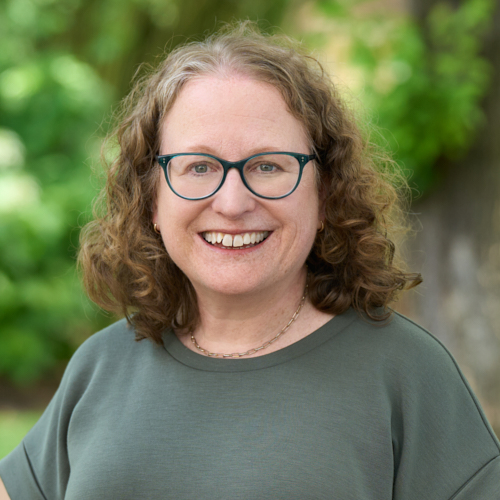
Pamela Wasserman
Senior Vice President for Education
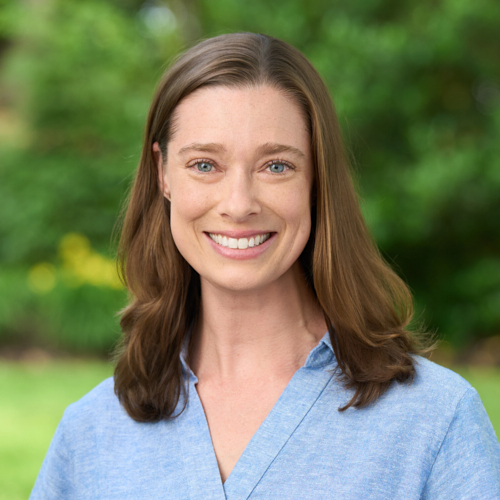
Marian Starkey
Vice President for Communications
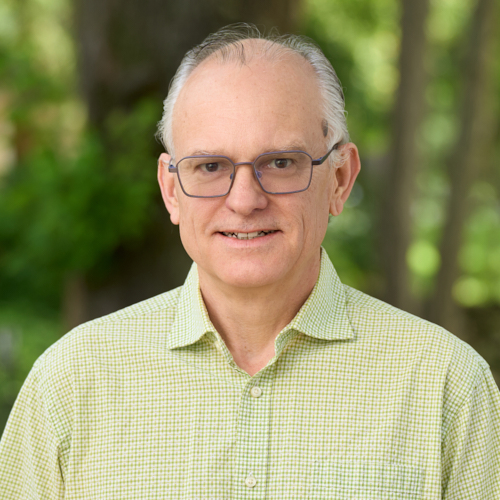
Brian Dixon
Senior Vice President for Government and Political Affairs
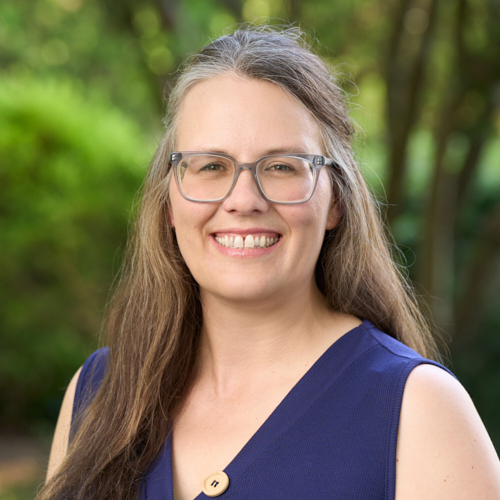
Rebecca Harrington
Senior Director of Advocacy and Outreach
Population Education
- Annual Leadership Institutes
- Interactive Lesson Plans
- Upcoming and On Demand Webinars with PopEd
- World of 8 Billion student video contest
- December Magazine Issue: 50 Years with PopEd
Communications
- Media Placements
- YouGov Survey: Americans’ Knowledge and Perception of Demographic Trends
- Presentation of Survey findings: World Population Day Virtual Event
- new webpage: Pronatalism in the US: the Trump administration’s push for more births
- Blog Posts
- Field Reports from site visits to WINGS, Manos Abiertas, Wuqu’ Kawoq (Maya Health Alliance, Seeds for a Future, Women for Conservation
- Quarterly Magazine
- Chapter in Encyclopedia of Biodiversity
- Updated Info Brief: Solutions Through Reproductive Health: Why Family Planning Matters
to Climate Change - Guest Presentations
- UN Involvement
- About Us video
Field and Advocacy
- Policy Priorities: Contact Your Representatives
- Reproductive Health Care in Colombia: Hospital Jorge Eliécer Gaitán
Clicking the links below will redirect your to the website of our sister organization, Population Connection Action Fund.*
- facebook.com/PopulationConnection
- instagram.com/populationconnection
- threads.net/@populationconnection
- bsky.app/profile/popconnect.bsky.social
- youtube.com/populationconnection
- linkedin.com/company/population-connection
Q+A
Questions from the audience, with responses from Pam Wasserman, Hannah Evans, and Marian Starkey.
Can you share your views on higher education in the United States in light of the current administration’s actions on the Department of Education?
Response from Pam Wasserman, Senior VP for Education: At many universities there has been a chilling effect on what topics can be taught (part of the war on “woke”), and, of course, less money for science and research. I work with the professors who train new teachers and they’re seeing fewer college students wanting to go into the profession. And just this month, the administration decided that teaching is no longer categorized as a professional career in terms of limiting how much money students can apply for in loans to pursue a teaching degree.
Response from Hannah Evans, Senior Analyst: Generally, the shrinking role of the Department of Education puts more pressure on public universities to compensate for things like operational costs and declining enrollment, without support or new resources. Less federal support means more program cuts, hiring freezes and pressure to close departments with lower enrollment. At UNCG, where I teach, the university is experiencing major budget constraints, due mainly to reduced student enrollment. UNCG’s BA and MA programs in Geography have stopped admitting new students as a result. I know this is an increasingly widespread trend across the country.
I’m interested in the St. Paul training. How do I get involved?
Response from Pam Wasserman, Senior VP for Education: The St. Paul event will be held September 25-27. Look for more information and the application form on this page of our website. Our Institutes are open to current educators (K-12 teachers, university teacher educators, and informal educators who work with teachers at environmental education centers). If you fit one of those categories, please apply.
I noticed that the majority of PopEd events were east of the Mississippi. Any particular reason for this?
Response from Pam Wasserman, Senior VP for Education: More than half of our workshops are on university campuses with teacher education programs and there is a higher concentration of those schools in the Northeast, Southeast and Midwest. Fewer in the Plains states and Rocky Mountain states. Even so, we facilitated workshops in all of the major metro areas in the Western half of the country.
Why do you think population stabilization, at minimum, or population reduction, is being so ignored as an environmental or human issue? Why the obsession with “lower fertility rates” when there are so many other solutions to the supposed “labor shortage”?
Response from Marian Starkey, VP for Communications: The obsession with lower fertility rates causing labor shortages is especially bizarre when you consider that we are simultaneously being fed news about AI replacing human employees. I saw a new MIT study that found that nearly 12% of today’s jobs could currently be done by AI, and of course that percentage will only grow. And massive layoffs are already happening in favor of AI all the time, a term I recently learned is called “AI-washing.”
I think population is ignored as an environmental and human issue because without encountering programs like ours, most people don’t learn about population data, trends, and dynamics, and therefore don’t consider the exacerbating effects of population growth on nearly all environmental, health, and development challenges. And then there’s the discomfort many in the fields of environmentalism and reproductive health feel around “population control” because of some crass — and some downright coercive — population programs of the past, e.g. China’s one-child policy, India’s sterilization campaigns of the 1970s.
We have a lot to overcome as one of the last remaining population organizations in the United States, and we’re working hard every day to do that!