
2026 Summer Photo Contest Winners
Written by Stephanie Wolfe, Membership Relations Coordinator | Published: September 8, 2026
We are overwhelmed by the incredible turnout for our fifth annual Summer Photo Contest! This year’s contest featured seven categories: Amazing Avians, Botanical Bliss, Candid Culture, Charming Creatures, Gorgeous Geology, Scenic Skies, and Wondrous Water. We are thrilled to announce the first-place winners in each category! We received over 170 submissions from supporters sharing photographs that inspire them to protect our planet and all its inhabitants. Entries capture moments from across the US and abroad, featuring epic shots taken in locations from national parks to supporters’ own backyards. We extend our thanks to participants for sharing the natural spaces, diverse cultures, and wildlife that motivate them to be good stewards of our planet. Congratulations to our winners! Find all of the incredible photo entries our members and supporters submitted here.
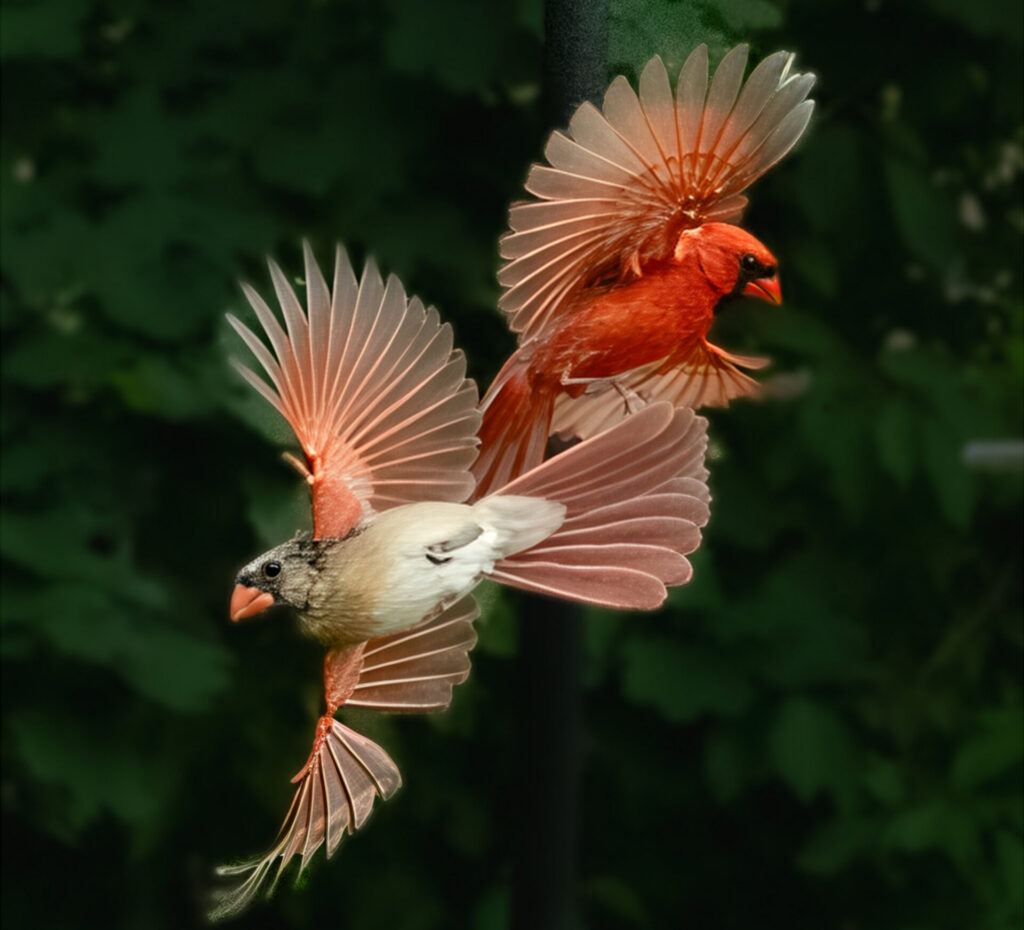
Allan Woolway, Sarasota, FL
Population Connection supporter since 2026
A pair of cardinals interacting with each other midair
“I’ve photographed cardinals for years, always chasing the bright male first. His unmistakable red draws the eye instantly. The olive-gray female always felt like the supporting cast, but this image changed everything for me. Looking closer, her color caught me off guard. With wings fanned mid-flight, a rosy-orange wash across her feathers did something beautiful: it bridged the two birds’ colors. Her muted tones aren’t a lesser version of his fire. Instead, they act as a quiet translator, balancing his vibrant energy with her own understated elegance.”
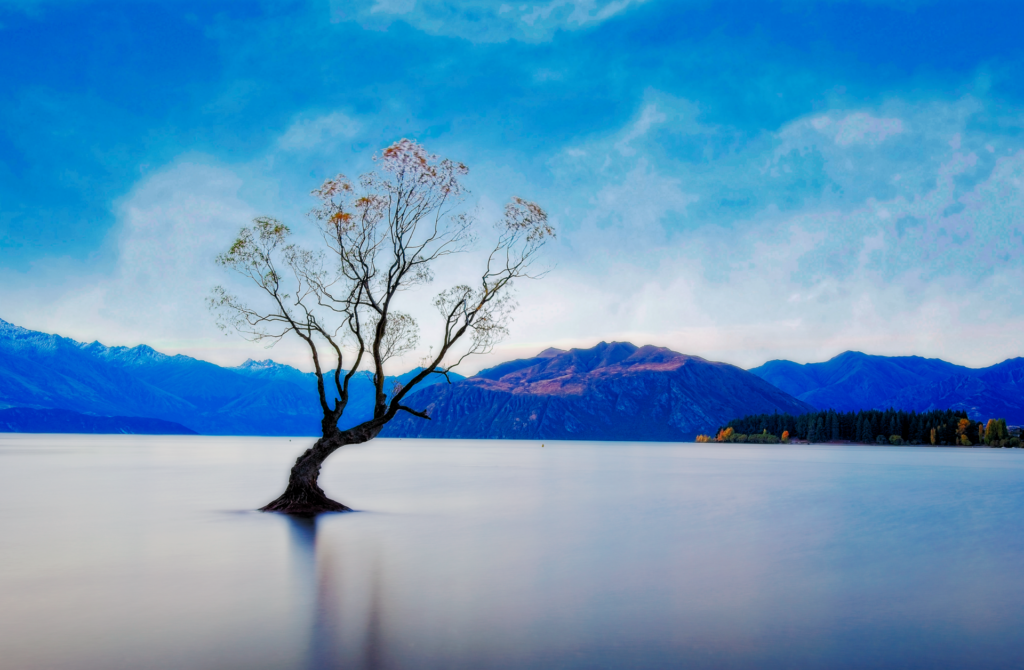
Paul Wilson, Portland, OR
Population Connection member since 1998
The lone Wānaka Tree in Lake Wānaka in New Zealand
“The Wānaka Tree, situated in the foothills of Mount Aspiring National Park (part of the World Heritage property Te Wahipounamu – South West New Zealand), evokes the fragility of life. At low water levels it’s accessible on foot, and since it became a tourist attraction in the last dozen years, it has been climbed on and had limbs sawed off. Its long-term viability depends on visitors’ ability to resist their careless and destructive impulses. On a much larger scale, the survival of unspoiled habitat and the arrest of climate change depend on the human population’s ability to resist the urge to grow and consume unceasingly.”
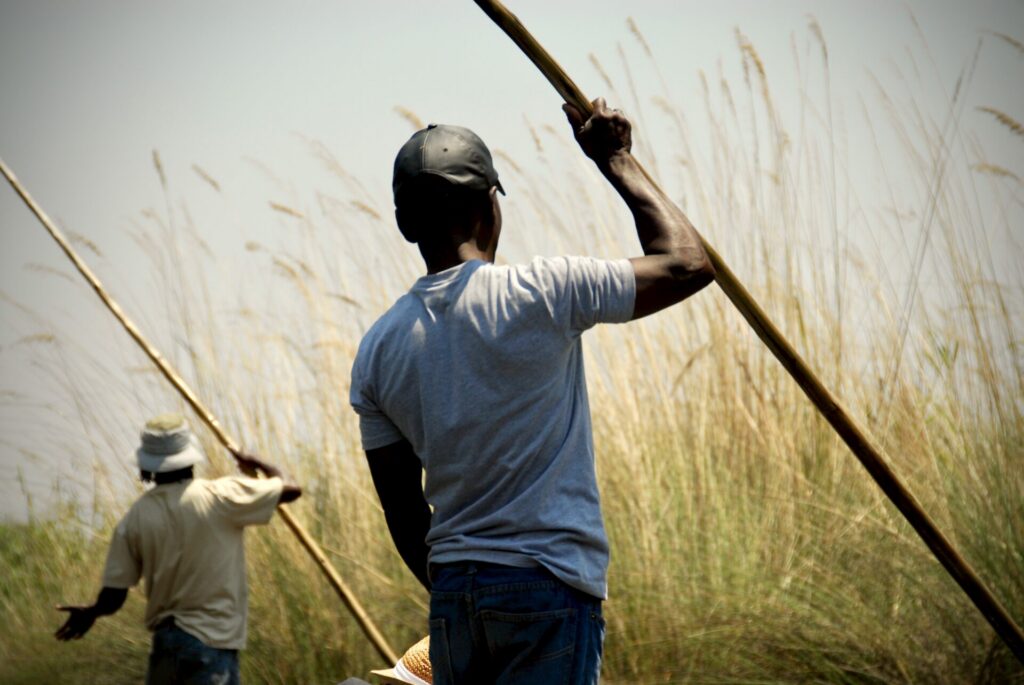
Jeanie Cole, Fairbanks, AK
Population Connection member since 2015, ZPG Society
Two locals guide tourists along the Okavango Delta in Botswana in a dugout canoe called a mokoro
“Humans have relied on the resources of the Okavango Delta for millennia. Regional Indigenous people supplement their subsistence lifestyle by offering mokoro tours. A mokoro is a dugout canoe typically carved from an African sausage tree and propelled by a pole. Since the 1990s, many mokoros have been constructed from fiberglass to protect the larger sausage trees from being cut down. With increasing demands on resources and formalized land use policies due to expanding human populations, Indigenous peoples face many challenges to preserving their traditional lifestyle and culture.”
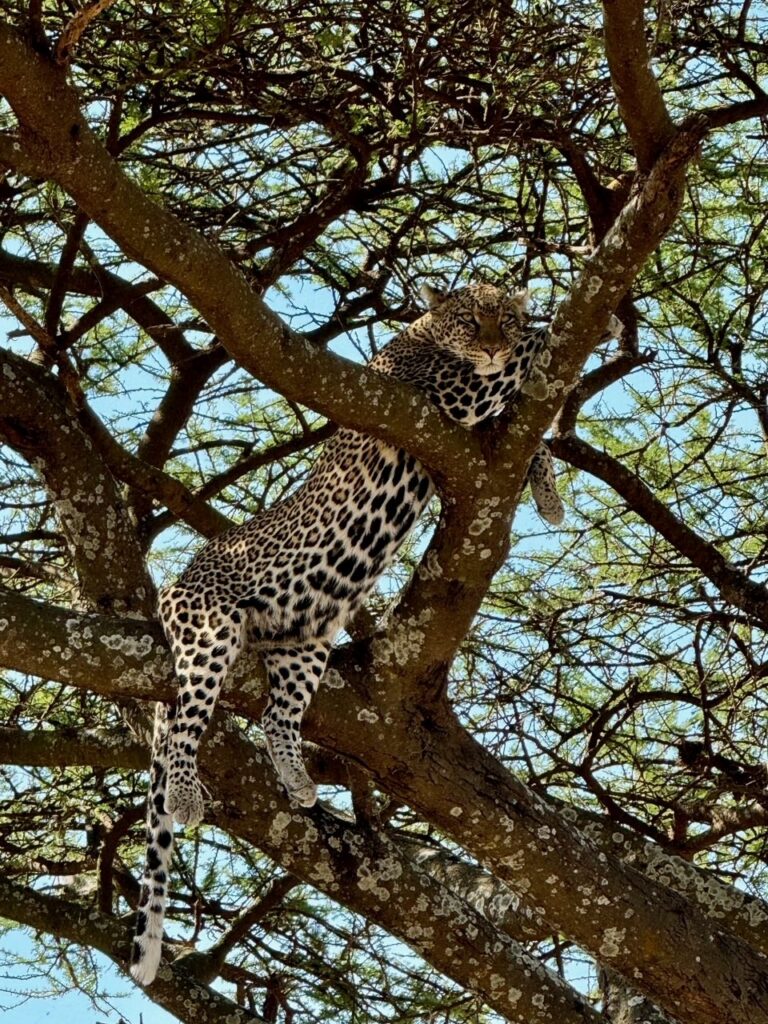
Tanya Krejberg, Ontario, CA
Population Connection supporter since 2025
A leopard chilling in a tree at Tarangire National Park in Tanzania
“Nature has given me some of my most meaningful experiences, from photographing wildlife to exploring wild places. Seeing those environments firsthand reminds me that our choices have lasting impacts. Managing our footprint responsibly is essential to protecting biodiversity and preserving the beauty and resilience of the natural world for future generations. Capturing this leopard resting high in a tree in Tanzania was a reminder of how extraordinary and fragile these moments are, and why nature is worth protecting.”
Steve Harris, Mountain View, CA
Population Connection member since 2019
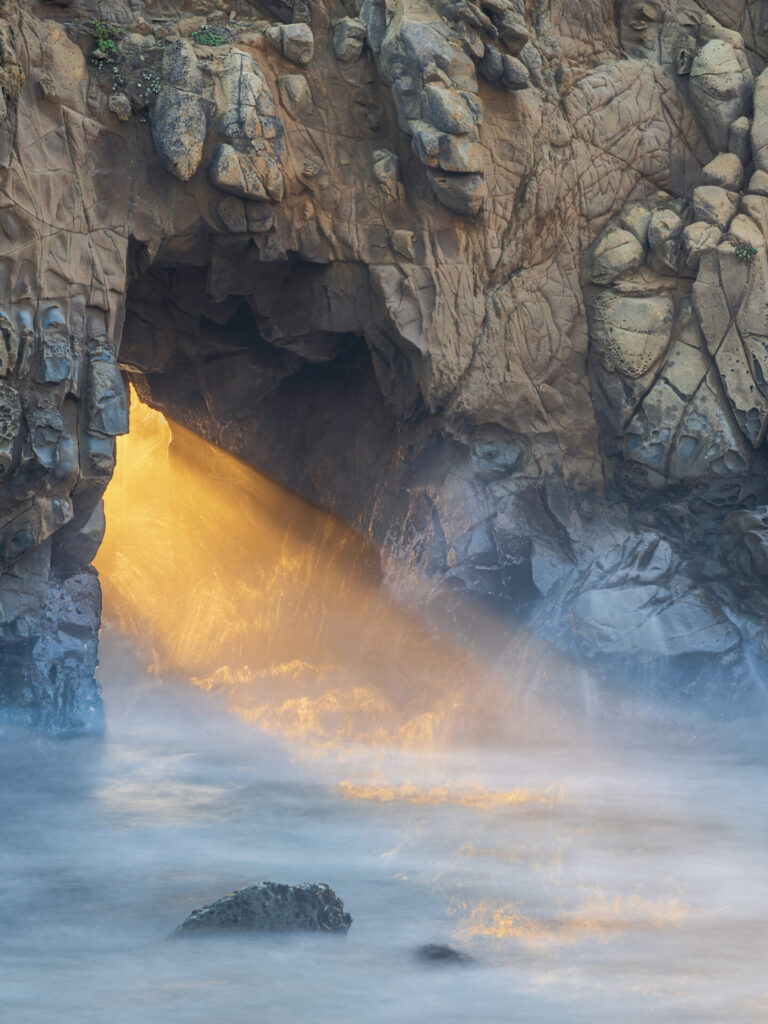
Late afternoon sun streams through Keyhole Arch at Pfeiffer Beach in California
“In my youth, I was strongly influenced by the first Earth Day and by the books Silent Spring by Rachel Carson and The Population Bomb by Paul Ehrlich. An avid environmentalist ever since, I believe threats to our environment — habitat loss, climate change, and more — are inexorably linked to humanity’s overconsumption of resources. The human population must reach a steady state if we have any hope of living sustainably on our planet. Through photography, I aim to capture intimate landscapes and highlight what we stand to lose if we can’t live in harmony with nature. It is a daunting task, but not hopeless. In my photo, ‘Ray of Hope,’ I wish for the viewer to see a beacon leading to a brighter future for our world.”
Karl Leck, Chadds Ford, PA
Population Connection member since 2004, President’s Circle
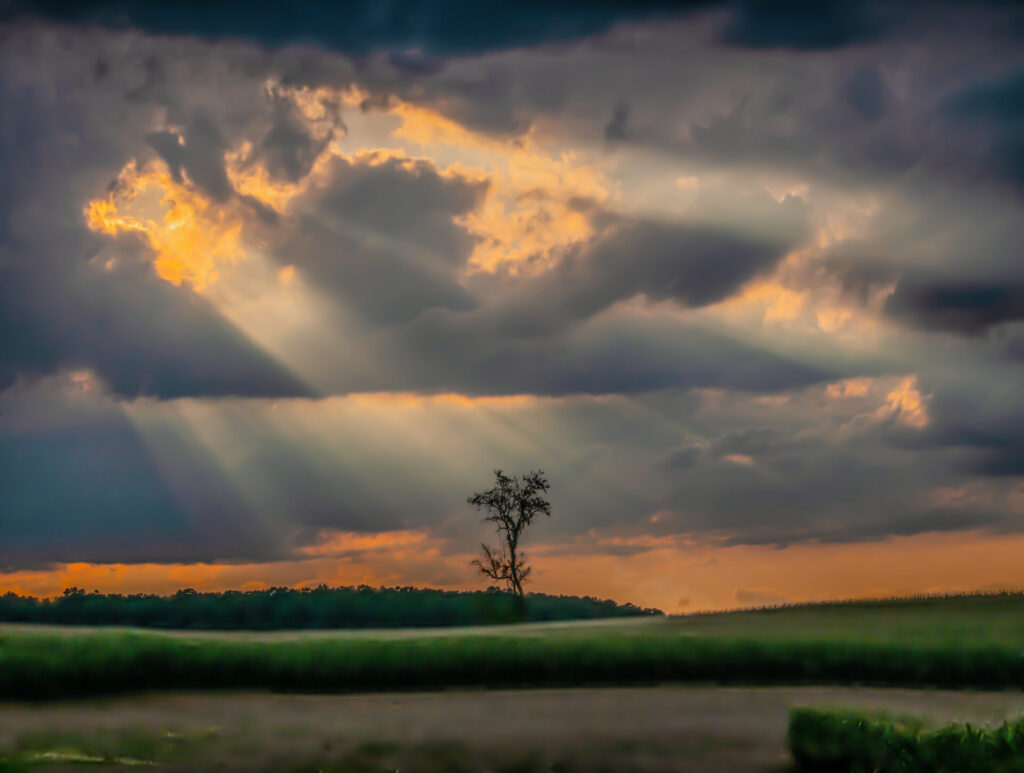
A break in the clouds allows sunlight to stream down on a farm field in rural Maryland
“Population moderation is the key to humanity’s long-term survival. Even with the best technology, more people use more resources. Our future depends on not using up resources needed for the continued life of all species. Education, enlightened thinking, and living to preserve nature must happen. Population Connection’s education programs help shine through some of the world’s dark clouds. The swirling arguments around what to do after conception will continue, but that situation can be avoided with education and family planning.”
David Newswanger, Sunnyvale, CA
Population Connection member since 1999
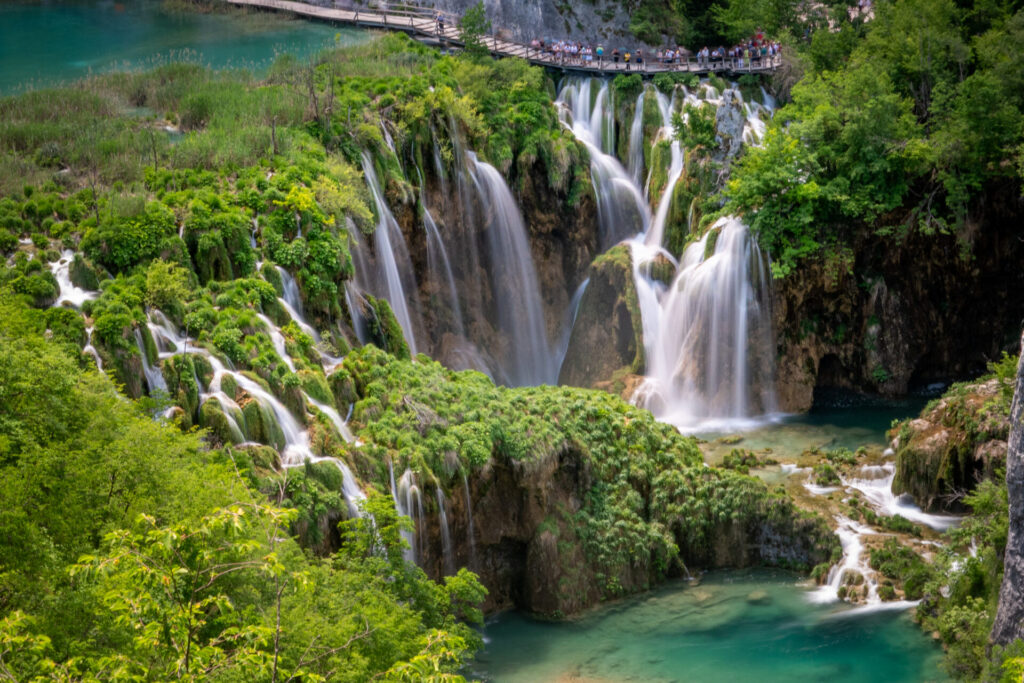
Waterfalls near Veliki Slap at Plitvice Lakes National Park in Croatia
“This photo shows the beauty of an abundance of water, but also hints at the threat of population pressures as a throng of tourists look on from above. Water has always been precious in California, where I live, but global warming lessens the supply by decreasing the snowpack and strengthens demand by increasing the need for irrigation by farmers. Our large population pushes demand to the point of water rationing and political fights about water rights. I worry that it could get worse. A smaller population would help those problems considerably.”
Contact Stephanie Wolfe: swolfe@popconnect.org