Report: Wildlife populations still in freefall, but there is hope
Written by Olivia Nater |
Published: October 16, 2026
A new report by WWF confirms that monitored populations of vertebrate species declined by an average of 73% between 1970 and 2022. The strongest decline was among freshwater species, followed by terrestrial, and then marine species.
What is the Living Planet Report?
The Living Planet Report 2026 is the latest installment of WWF’s flagship report monitoring the health of wildlife populations. It is published every two years and utilizes the Living Planet Index (LPI), developed by the Zoological Society of London (ZSL), to calculate population change in more than 5,000 species of amphibians, birds, fish, mammals, and reptiles since 1970.
The 2026 report analyzes almost 300 more species and 1,000 more populations than the previous (2024) report, covering a total of 5,790 species across 35,803 populations around the world. The 2024 LPI also recorded an average 73% decline between 1970 and 2020 — WWF cautions that this does not mean biodiversity hasn’t declined further (it has). The authors note that the two reports are not directly comparable due to the expanded dataset in the latest edition.
Which species are the worst affected?
The species suffering the biggest decline remain unchanged compared to the previous report.
Freshwater populations experienced an average 85% drop between 1970 and 2022. Freshwater ecosystems face some of the most intense anthropogenic pressures, including habitat destruction and modification (including via dams and diversions), water overextraction, overfishing, pollution, and climate change.
According to the Ramsar Convention on Wetlands, an estimated 177 million hectares of inland marshes and swamps have been lost since 1970 due to land use change, for example.
Terrestrial vertebrate populations inhabiting forests, grasslands, and other biomes showed a 69% decline between 1970 and 2022. Most of the new data added for this report was for terrestrial species (yet the average decline is the same as reported in the previous LPI).
Marine populations shrunk by an average of 59% over the 52-year period — the smallest decline across the three ecosystem types. Managed fish stocks dominate this dataset, and the authors attribute the lower overall decline to improved incentives, regulations, enforcement, and transparency leading to some stocks recovering in recent years following decades of overfishing. The report warns that other species, such as sharks and rays, continue to experience sharp declines, however — a worrying trend that is masked by the global average.
As previously reported, Latin America and the Caribbean had the largest regional decline in vertebrate wildlife populations, at a shocking 95%:
“Home to 6 of the 7 megadiverse countries in the Americas — countries especially rich in nature and species found only here — the Latin America and Caribbean region is affected by a multitude ofthreats. The conversion of grasslands, forests and wetlands, and damming of rivers; the overexploitation of species, and — more so than in other regions — climate change and disease, have contributed to the stark decline.”
Africa had the second highest decline, at 80%. All species groups in Africa experienced a negative trend, with freshwater fish the worst affected.
The Asia and the Pacific region, home to diverse island ecosystems, saw a 49% decline in vertebrate wildlife ecosystems between 1970 and 2022.
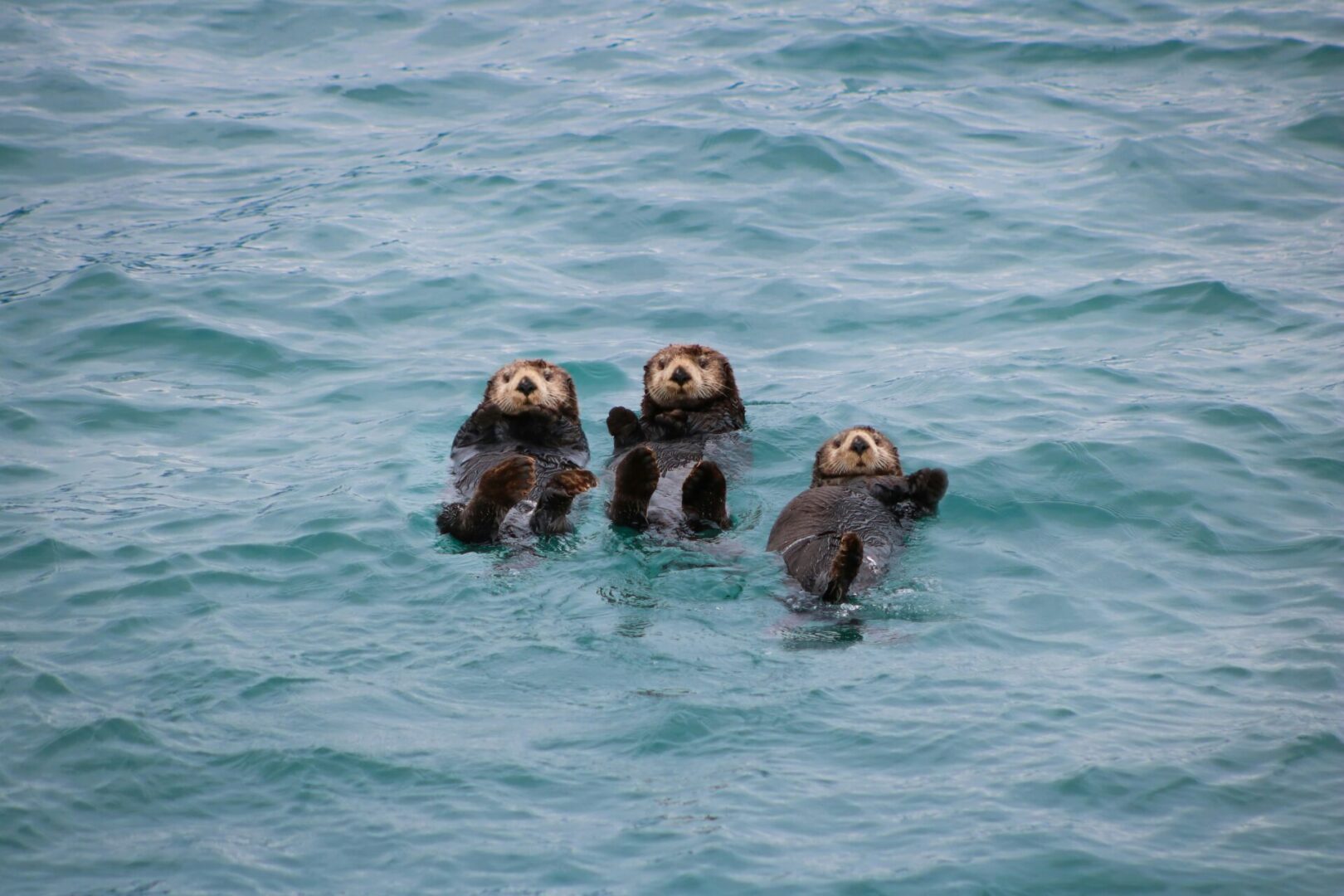
North America’s vertebrate wildlife populations dropped by an average of 28%, while Europe and Central Asia underwent the lowest average decline, at 23%. The report notes that both regions, and especially Europe, have seen the recovery of many species thanks to conservation efforts. In North America, conservation success stories include the sea otter which benefited from legal protections following heavy exploitation for the fur trade, and salmon species, which were helped by the removal of dams.
The authors also emphasize that unlike lower-income regions, Europe and North America already experienced major human impacts on nature well before 1970, which is why they show less of a negative trend over the past half-century.
Drivers of decline
The reported drivers of wildlife population decline are the same as for biodiversity overall. Habitat loss and degradation are the most important threats, followed by overexploitation, climate change, pollution, invasive species, and disease.
As in the previous Living Planet Report, the authors attribute these drivers to “broader systemic failures across the food, energy and finance systems.”
There is no mention of human population growth in the report, which is unfortunate, as the link between population increase and biodiversity loss is both obvious and scientifically established, with the most rapidly growing areas usually also experiencing the fastest biodiversity loss.
Not all species are declining
While the global average trend is deeply alarming, the report points out that only half of the monitored wildlife populations in the LPI show shrinking trends. Of the remainder, 43% actually increased while 7% were stable. The authors write that “steep declines among the remaining populations are large enough to pull the overall index sharply downward.”
The report highlights several recent conservation success case studies.
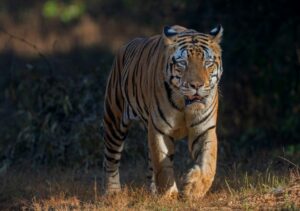
Based on camera-trap estimates, wild tiger numbers increased by more than 70% between 2010 and 2025, from around 3,200 to an estimated 5,700 individuals.
WWF attributes this recovery to “coordinated action across scales: national tiger recovery plans, intergovernmental commitments through the Global Tiger Initiative, professionalized ranger units, protected area expansion, cross-border anti-trafficking work, and demand reduction campaigns.”
Of course, these numbers are still dangerously low, with the report noting that tigers occupy less than 8% of their historic range (which has seen a massive increase in human population). The species is still listed as Endangered on The IUCN Red List of Threatened Species, and the report stresses that there is an urgent need to “scale community-led coexistence interventions and human-wildlife conflict management to maintain these gains.”
Among marine species, the Atlantic bluefin tuna and the Pacific bluefin tuna are considered success stories. Both species came close to extinction due to heavy overfishing, but have apparently now recovered thanks to “a combination of consumer campaigns and supplier boycotts, chef and retailer commitments, recreational fishing reforms, and coordinated regional fisheries management that imposed reduced quotas, size limits, spawning-area protections, and dockside monitoring.”
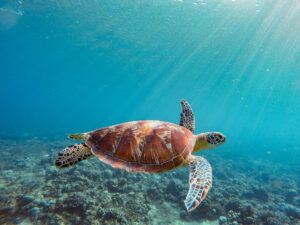
The green sea turtle made headlines in 2025 when it became the first marine turtle to be downlisted (moved to a lower threat category) from Endangered to Least Concern on The IUCN Red List. The report says this comeback “reflects 50 years of coordinated work across some 80 nesting countries: protection of nesting females and eggs, beach management, lighting regulations, turtle excluder devices and other bycatch reduction measures on fishing gear, enforcement against illegal take, and sustained community engagement.” However, it cautions that several subpopulations remain threatened, while climate change is an ongoing concern for all populations.
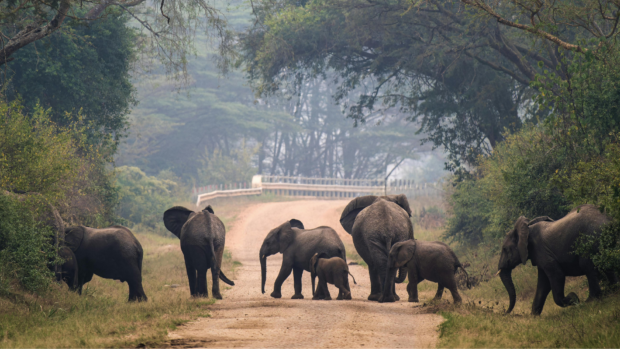
An arguably questionable highlighted “success” is that of the African savanna elephant. This Endangered species is declining across most of its range, but the report highlights that some subpopulations in southern Africa are increasing thanks to community engagement (such as through eco-tourism), anti-poaching efforts, legal reform, and reduced corruption. While these localized population increases are certainly worth celebrating, they sadly rarely last. In southern Africa, elephant culling operations to reduce human-wildlife conflict and pressure on limited land and resources are common, and can be expected to increase as the human population continues to expand.
Proposed solutions
The Living Planet Report 2026 stresses that conservation action alone is not enough to reverse biodiversity loss. It also urges systemic change, identifying three systems that are “responsible for most of the damage” — the energy system which fuels climate change, the food system which is the leading cause of biodiversity decline, and the financial system, which allocates vast amounts of funding to activities that harm nature, while severely underspending on nature protection and restoration.
The report pushes a message of hope:
“…the same hope that drove the recoveries of tigers, tuna, elephants, and sea turtles, grounded in clear goals, credible pathways, agency, and resilience, held by enough people for long enough, can also be directed at the systems themselves. When strategic, focused, and sustained effort is brought to bear on a complex system in the right way, change in that system can shift from slow and contested to fast and self-reinforcing. Scientists call this kind of shift a positive tipping point.”
The authors argue that the energy system has already passed such a positive tipping point and is in the acceleration phase, due to renewables having become generally cheaper than fossil fuels. However, the energy transition is still happening much too slowly to meet climate targets.
The food and finance systems are still far from reaching their positive tipping points at a global level. The report calls for cross-sectoral changes to, among other things, facilitate and encourage more sustainable diets, reduce food waste, and redirect harmful subsidies towards protecting nature.
While systemic transformation is key, ending human population growth through empowering solutions as soon as possible is also critical for halting biodiversity loss and restoring nature. It’s not complicated: the more of us there are, the larger areas we need for growing crops, the less habitat and resources are available for wildlife, and the more we overharvest wild species for hunting, fishing, and trade.
Crowded out with nowhere to go: Why slowing human population growth is key to saving elephants
Elephants are fascinating, highly intelligent, and emotionally complex creatures — their disappearance would be a devastating tragedy. The gentle giants’ slide towards extinction must be halted, but we cannot save…
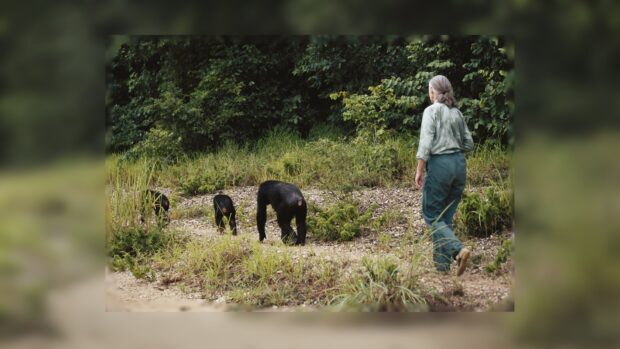
The power of empathy, hope, and tireless activism: A reflection on Dr. Jane Goodall’s legacy
Our team at Population Connection is deeply saddened by the passing of the legendary ethologist and conservationist Dr. Jane Goodall. Through her decades-long field research on chimpanzees in Gombe National…

 Freshwater populations experienced an average 85% drop between 1970 and 2022. Freshwater ecosystems face some of the most intense anthropogenic pressures, including habitat destruction and modification (including via dams and diversions), water overextraction, overfishing, pollution, and climate change.
 Based on camera-trap estimates, wild tiger numbers increased by more than 70% between 2010 and 2025, from around 3,200 to an estimated 5,700 individuals.
  The report pushes a message of hope: