Today is World Health Day, with the theme ‘Together for Health, Stand with Science.’ This year’s special focus is on One Health, a holistic approach to human health that also considers the health of other species and ecosystems. Here’s what that means and why it’s important.
One Health in a nutshell
The World Health Organization (WHO) defines One Health as “an integrated, unifying approach that aims to sustainably balance and optimize the health of people, animals and ecosystems.”
 One Health recognizes that humans are a part of nature, not separate from it, and that our health is closely interlinked with the health of other species and our collective environment. Human activities that damage our environment also damage our health. For example, air and water pollution cause direct bodily harm, while intensive livestock farming increases the risk of zoonotic disease emergence and drives antimicrobial resistance. Biodiversity and healthy ecosystem function are key to food and water safety. Thus, optimizing human health requires not just medical innovation and intervention, but also action to protect our environment and safeguard the health and well-being of animals.
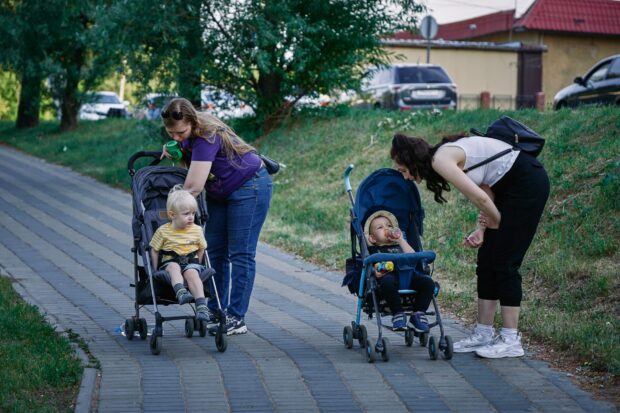
The reverse holds true as well. One branch of One Health, with a more specific focus, is Population, Health, and Environment (PHE). A core aim of PHE is to improve reproductive healthcare, especially access to family planning, as this alleviates population pressures on the environment and natural resources. When women have control over their fertility, they generally choose smaller families, which slows population growth and reduces poverty. PHE programs often also engage communities in conservation efforts and provide access to more sustainable livelihood opportunities. Most PHE interventions occur in ecologically rich areas with high fertility rates (the number of births per woman).
One Health’s beginnings
Scientists began studying the links between human and veterinary pathology in the 19th century. Rudolf Virchow, a German physician, coined the term “zoonosis” to describe a disease that can be passed from animals to humans (the reverse is sometimes referred to as “reverse zoonosis,” or “zooanthroponosis”).
Virchow noted,
“Between animal and human medicine there are no dividing lines—nor should there be. The object is different but the experience obtained constitutes the basis of all medicine.”
This concept formed the basis of what later became the One Health approach. The term One Health started being used publicly following the emergence of severe acute respiratory disease (SARS) in early 2003. In 2004, the Wildlife Conservation Society hosted a symposium focused on potential disease transmission between human, domestic animal, and wildlife populations. The outcome of this meeting was the “Manhattan Principles,” which formalized the One Health approach and listed 12 recommendations for establishing a more holistic approach to preventing epidemic disease and maintaining ecosystem integrity for the benefit of humans and other species.
The One Health approach rapidly gained traction after this, bringing together public health, veterinary medicine, and environmental conservation circles. The first One Health Summit, organized by the Global Risk Forum, was held in February 2012.
 Dr. Gladys Kalema-Zikusoka, a Population Connection board member and founder of Uganda-based Conservation Through Public Health (CTPH), was a pioneer of the One Health approach. A veterinarian by training, “Dr. Gladys” explained what led her to establish one of the first One Health models:
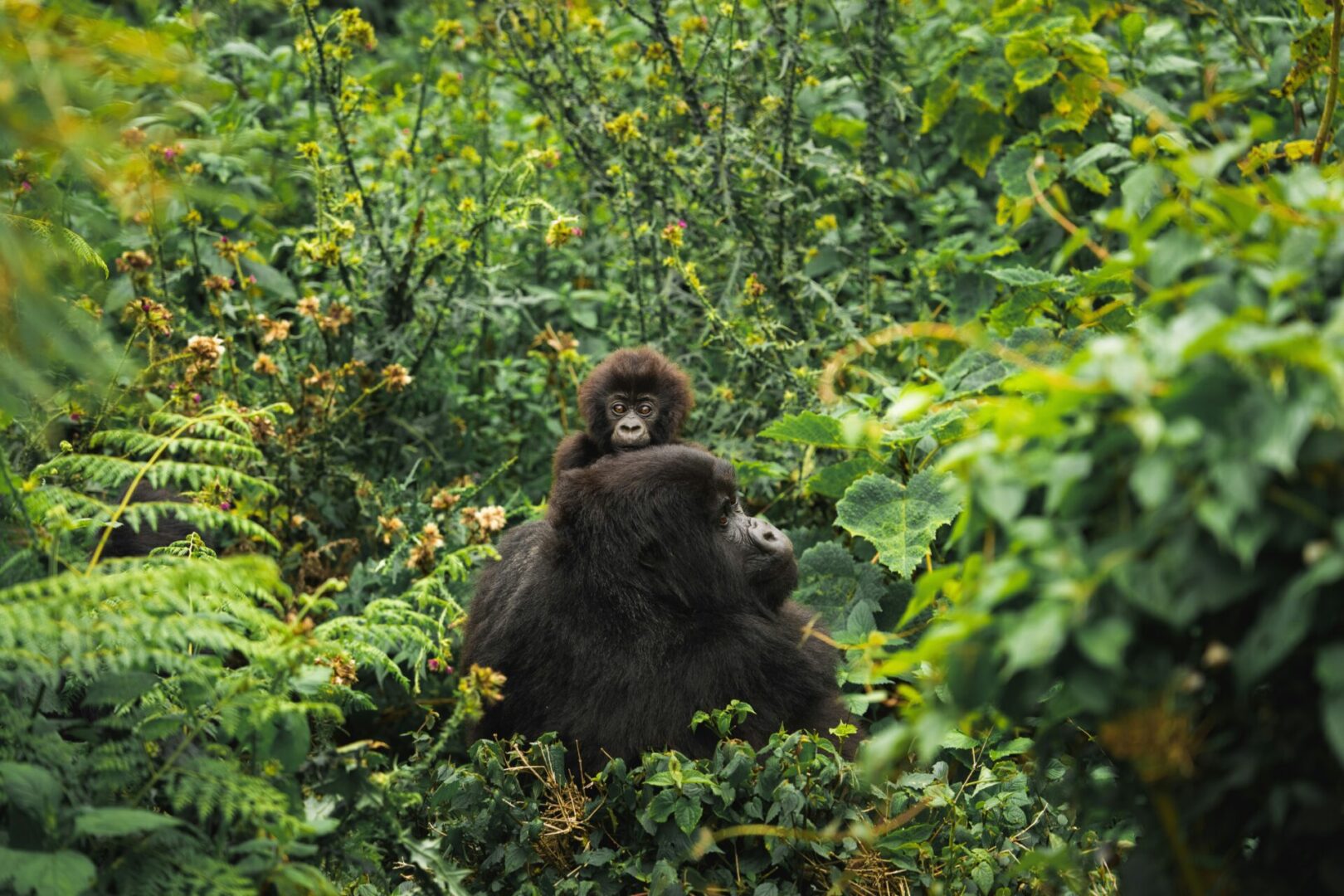
“I became very concerned about the transmission of zoonotic diseases between humans and wildlife after leading a team, whilst I was working as the first veterinary officer at the Uganda Wildlife Authority. We had to deal with a scabies outbreak in the gorillas of Bwindi Impenetrable National Park (BINP) in 1996. The fatal disease, which resulted in the death of an infant gorilla and treatment of the rest of the group members, was traced to the local communities living around BINP who are amongst the most impoverished and marginalized communities in Uganda, with very limited livelihoods opportunities or social services.
“It was clear that the health and well-being of the communities was intrinsically interconnected with the health and survival of the mountain gorillas, other wildlife and their habitat. We started working with the community members to improve their health, hygiene, sanitation, family planning access, and livelihood opportunities, whilst at the same time monitoring the health of the mountain gorillas to provide an early warning system for cases of illness, training community members to reduce human-wildlife conflict by safely herding wild animals back to the forest if they had strayed out, and providing support to community members to monitor and address the health of their livestock, including by de-worming regularly.”
One Health today – why is it important?
 One Health is more relevant today than ever before. Due to continued population and consumption growth, humanity has already breached seven of nine critical planetary boundaries, amplifying catastrophic risks to human and environmental health. COVID-19, a zoonotic disease like all previous pandemics, revealed how quickly and disastrously our mistreatment of nature and other species can backfire. Deforestation, exploitation of wild and domestic animals, and climate change all hugely amplify pandemic risk, yet governments continue to mainly focus on response rather than prevention.
It is not always immediately obvious how environmental damage impacts human health, but a growing body of scientific research proves that the two are closely intertwined. For example, it is now becoming clear that persistent organic pollutants (POPs), aka “forever chemicals,” as well as microplastics, don’t only devastate ecosystems for many decades, but also accumulate in people’s bodies and increase the risk of cancer and other serious diseases.
There is an urgent need for world leaders to recognize the critical linkages between environmental and human health, and to widely employ the One Health approach to improve outcomes for people and planet. The One Health Summit 2026 is taking place this week, to coincide with World Health Day. Let’s hope it results in some lasting and meaningful outcomes.