For millions of girls around the world, their first period arrives without warning, preparation, or understanding. In many communities, menstruation is not just a biological milestone—it can mark the beginning of stigma, school absenteeism, early sexual activity, child marriage, and early pregnancy. FlowReady, a Global Partner of Population Connection, is working to change this trajectory through early menstrual health education—preparing girls before their period begins.
FlowReady operates in North Carolina, USA, and Uganda’s Mayuge District, connecting global support with community-led solutions where they are needed most. The organization is laying the foundation to expand access across Uganda and develop partnerships throughout East Africa.
From personal experience to purpose
FlowReady was inspired by the lived experience of its founder, Florence Blondel.
As a young girl, she struggled to manage menstruation in difficult circumstances. Her family lived in a small one-room home shared with multiple siblings, and about ten households relied on a single outdoor latrine and bathing space with limited water.
“I was gambling trying to figure out how to manage the blood. The lack of privacy meant I silently endured the pain and discomfort. The pungent smell of the period ‘rags’ left a lasting impression.”
Years later, as a journalist, Florence witnessed similar and often harsher realities across Uganda.
During a reporting trip to Karamoja, where child marriage and teenage pregnancy remain prevalent, women shared that menstruation signaled a girl was “ready for marriage and childbearing.”
“Also, when the blood comes, we use our skirts or wrappers to rub it off our thighs.” — A group of women in Amudat District, Uganda
When menarche becomes a risk factor
In communities where menstruation is surrounded by silence and stigma, a girl’s first period can bring fear, shame, and sudden expectations about adulthood.
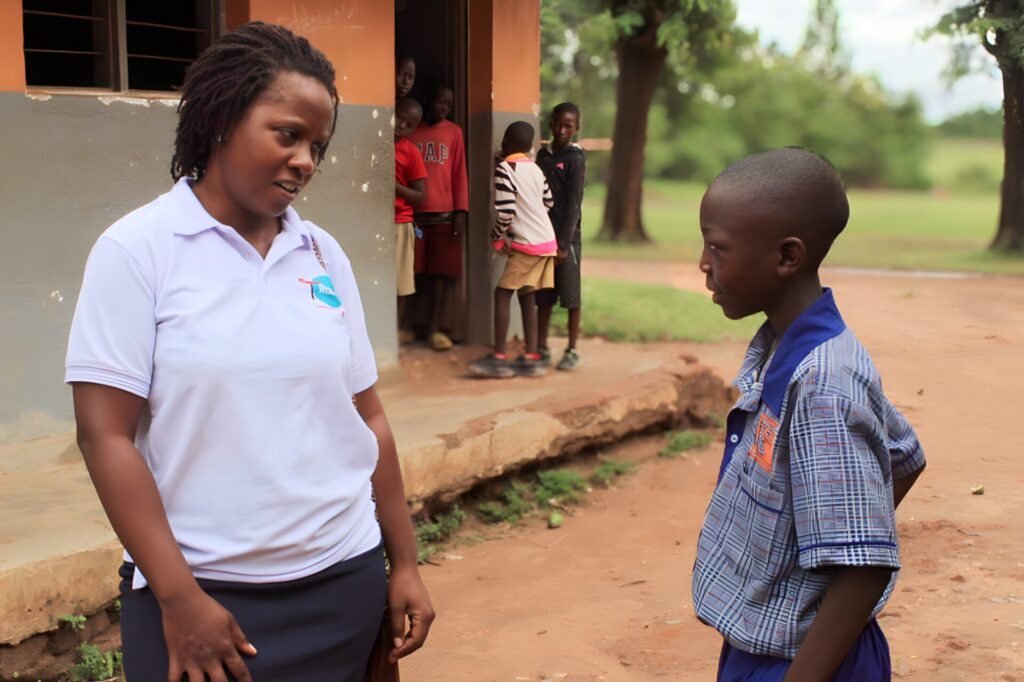
Lea talking to kids during outreach
For some girls, menarche becomes the moment when pressures around early relationships, marriage, or childbearing begin.
One father told Florence:
“I gave up my daughter to a man who is thankfully waiting for her to bleed before consummating the marriage.”
In another village, girls who had never been educated about menstruation were forced to sleep outside during their periods, eat separately using dirty dishes, and use sand to absorb menstrual blood.
“No, no, no, first of all, she does not bathe until the last day of her period. The girl or woman is not supposed to handle anything at home, she’s not supposed to milk the cows, go near men. The woman is just kept aside, she can even stay in the bush.” — Nadim Magdalene, a local woman in Pokot, Amudat
These realities highlight a critical gap: girls are entering menstruation unprepared—and vulnerable.
The FlowReady approach: Preparing girls before the first flow
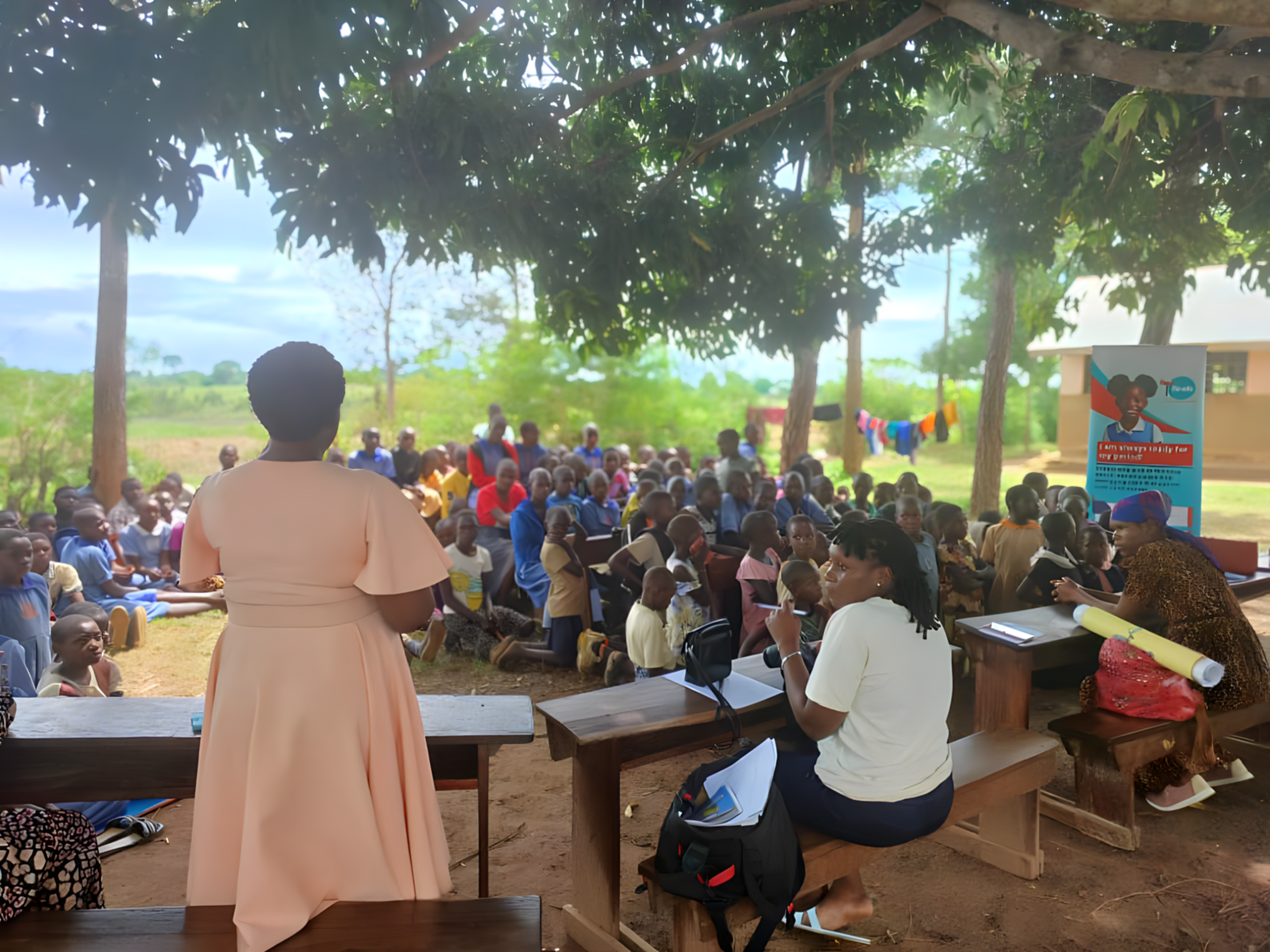
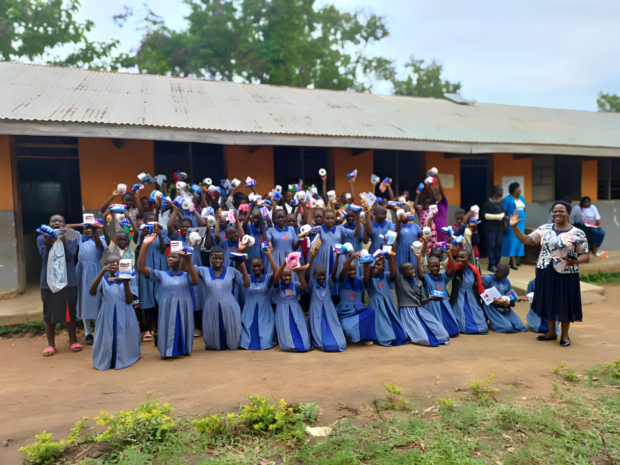
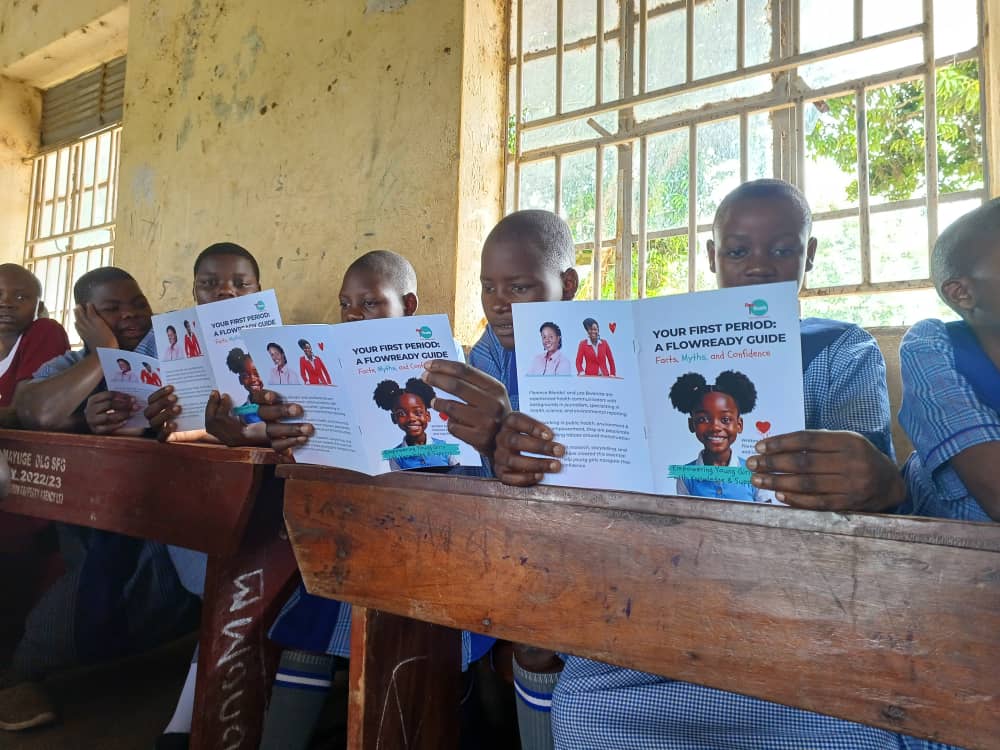
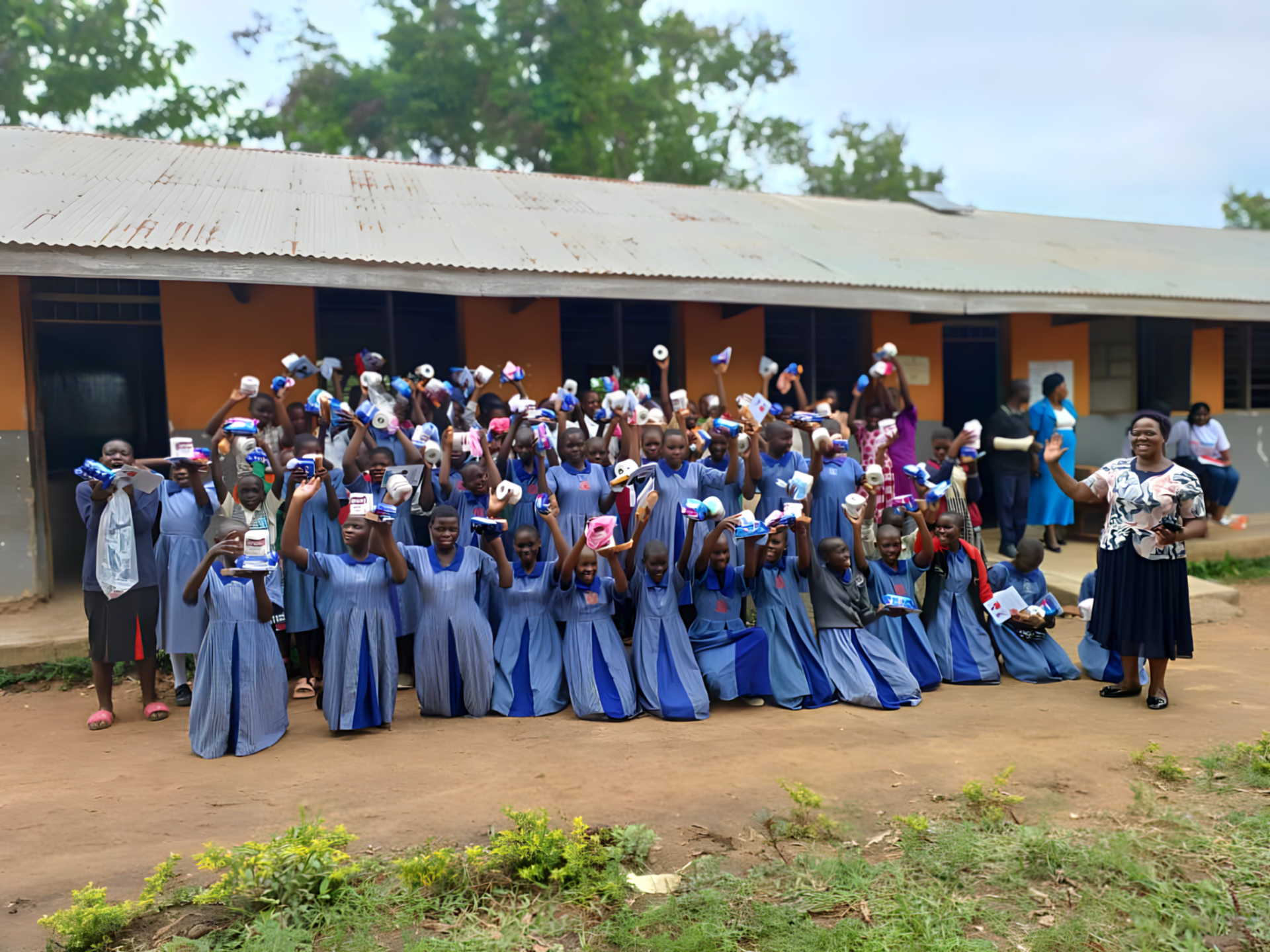
FlowReady outreach at Makembo Primary School In Mayuge District
Florence began covering menstrual health stories and later founded FlowReady to bring early menstrual education directly to girls.
The organization was founded on a simple but powerful idea: prepare girls before their first period arrives and break the harmful myths that equate the first bleed with readiness for marriage and childbearing. By giving girls knowledge, dignity, and practical tools early, the organization helps ensure that menstruation becomes a moment of confidence—not a barrier to education or opportunity.
“When girls understand their bodies before their first period, they gain the knowledge to protect their health, stay in school, and make informed choices about their futures.” — Florence Blondel, Founder, FlowReady
Through school and community-based programs currently in Uganda, FlowReady provides:
Age-appropriate menstrual education for pre-menarche girls
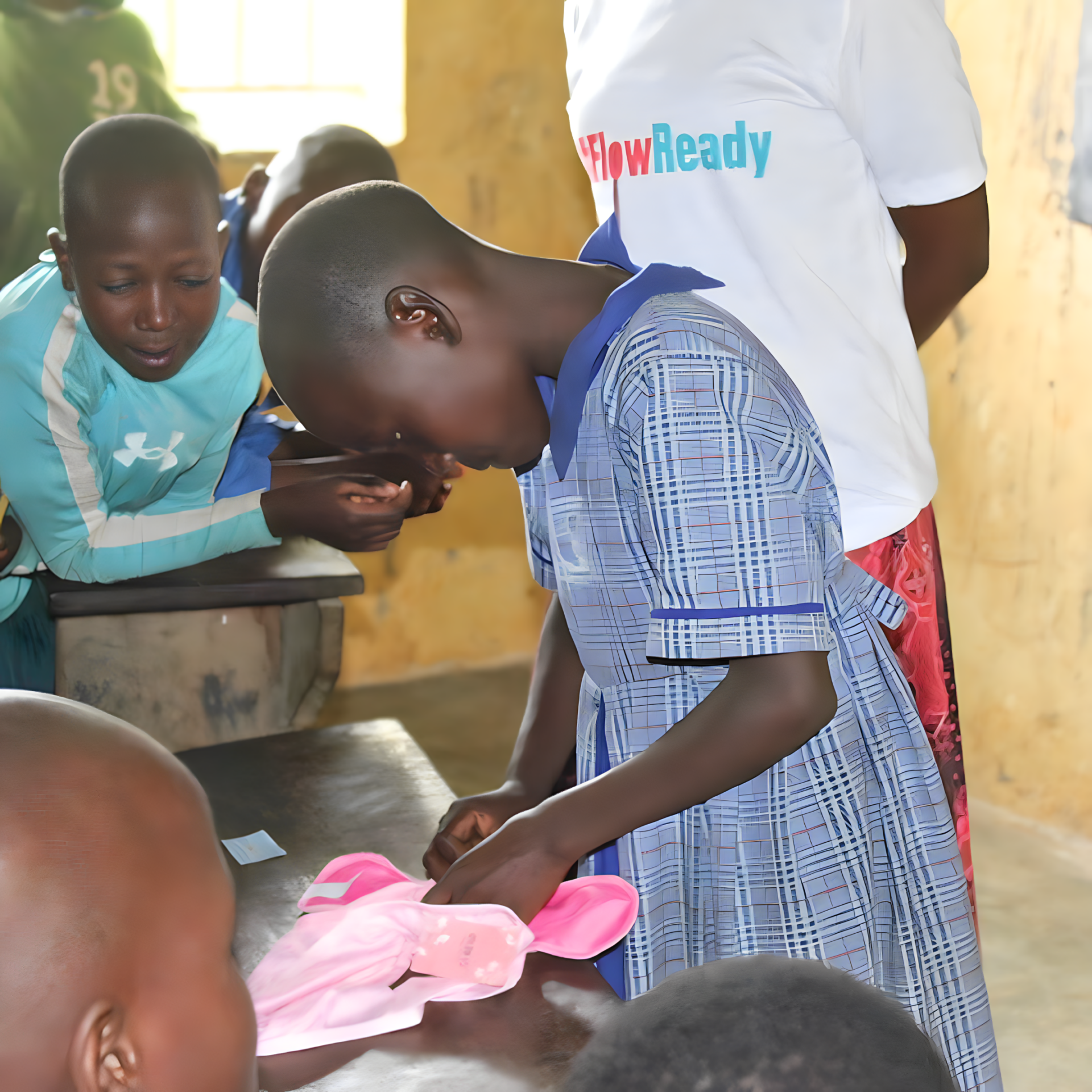
Reusable menstrual kits and hygiene supplies
Support for safe and dignified school sanitation spaces
Community conversations that help normalize menstruation and reduce stigma
By reaching girls early, FlowReady helps ensure that menstruation does not interrupt a girl’s education or limit her opportunities.
FlowReady’s work sits at the intersection of
Menstrual health & education
Girls’ empowerment
Sexual & reproductive health and rights (SRHR)
Population, environment, and development
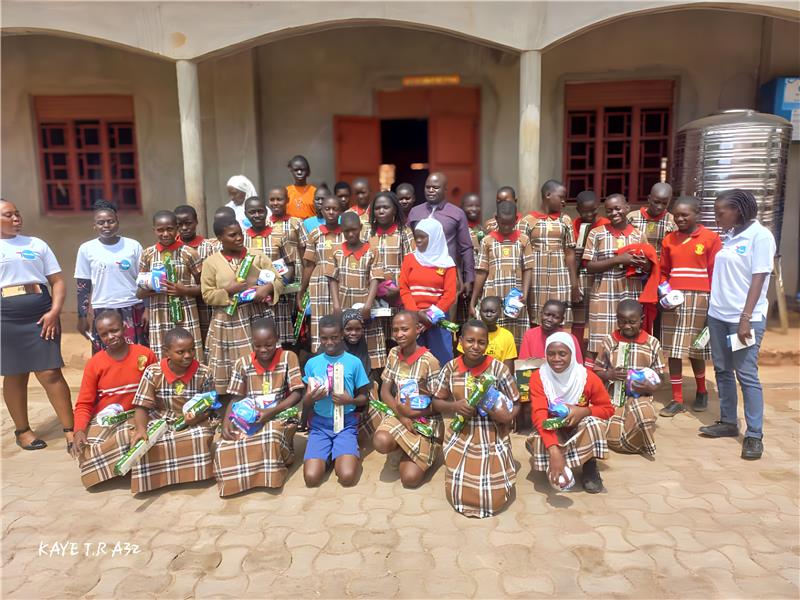
FlowReady team, Vivian & Lea, with partners from a local Community-Based Organization (CBO)
By preparing girls early, FlowReady is not only improving menstrual health outcomes but also helping to delay early marriage, reduce unintended pregnancies, and support healthier, more equitable futures.
Lea Bwanika
Lea, a key member of the FlowReady team right from inception, is a strong advocate for engaging boys and men in menstrual health conversations.
During a recent outreach in Mayuge, she worked with a group of 30 boys, engaging them as menstrual ambassadors. Her conversations extended beyond the classroom.
“In many parts of Uganda, menstruation is shrouded in silence. Ignoring it doesn’t make it disappear—it only deepens the challenges girls face. Menstruation concerns all of us, and it deserves open conversation and support.”
250
FlowReady assisted over 250 girls and women in 2025. They received not just supplies but also knowledge, reassurance, and care. The organization reached 96 girls through menstrual health education sessions at a local school. FlowReady engaged 30 boys in conversations about menstrual health and respect, and held feedback sessions with 45 girls to ensure their voices guide the organization’s work.
6
FlowReady also attended community dialogues with parents at St. Luke Makembo Primary School, and made six home visits. This was on top of having a focus group discussion with around 30 parents from the community.
Looking ahead: Expanding through radio
To reach even more communities, FlowReady is developing a local-language radio program in Eastern Uganda.
The show will tackle menstrual myths, provide accurate health information, and create open dialogue at the community level, reaching parents, boys, and girls alike.
By combining grassroots programming with mass communication, FlowReady aims to shift norms at scale.
Gallery
FlowReady boy ambassadors
Young Florence Blondel, FlowReady's founder while in primary school
FlowReady's first activation in Luwero District in Central Uganda in November 2024
Lea talking with a school boy at a FlowReady outreach
Preparing girls for menarche and fighting period poverty: Q&A with FlowReady
Through our Global Partners program, Population Connection supports a growing number of grassroots organizations around the world working to increase access to education, public health and family planning services. Their…


 FlowReady team, Vivian & Lea, with