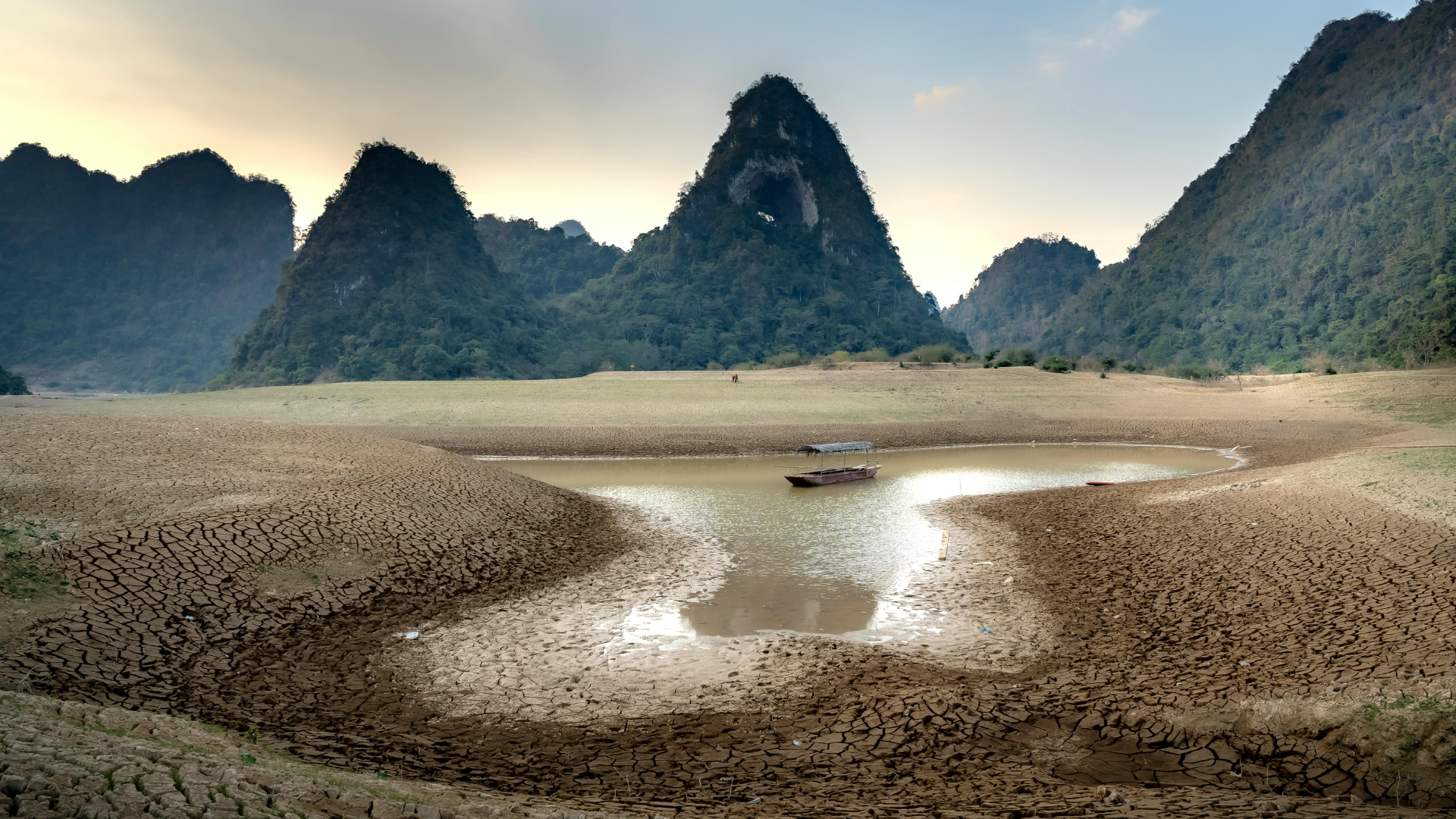
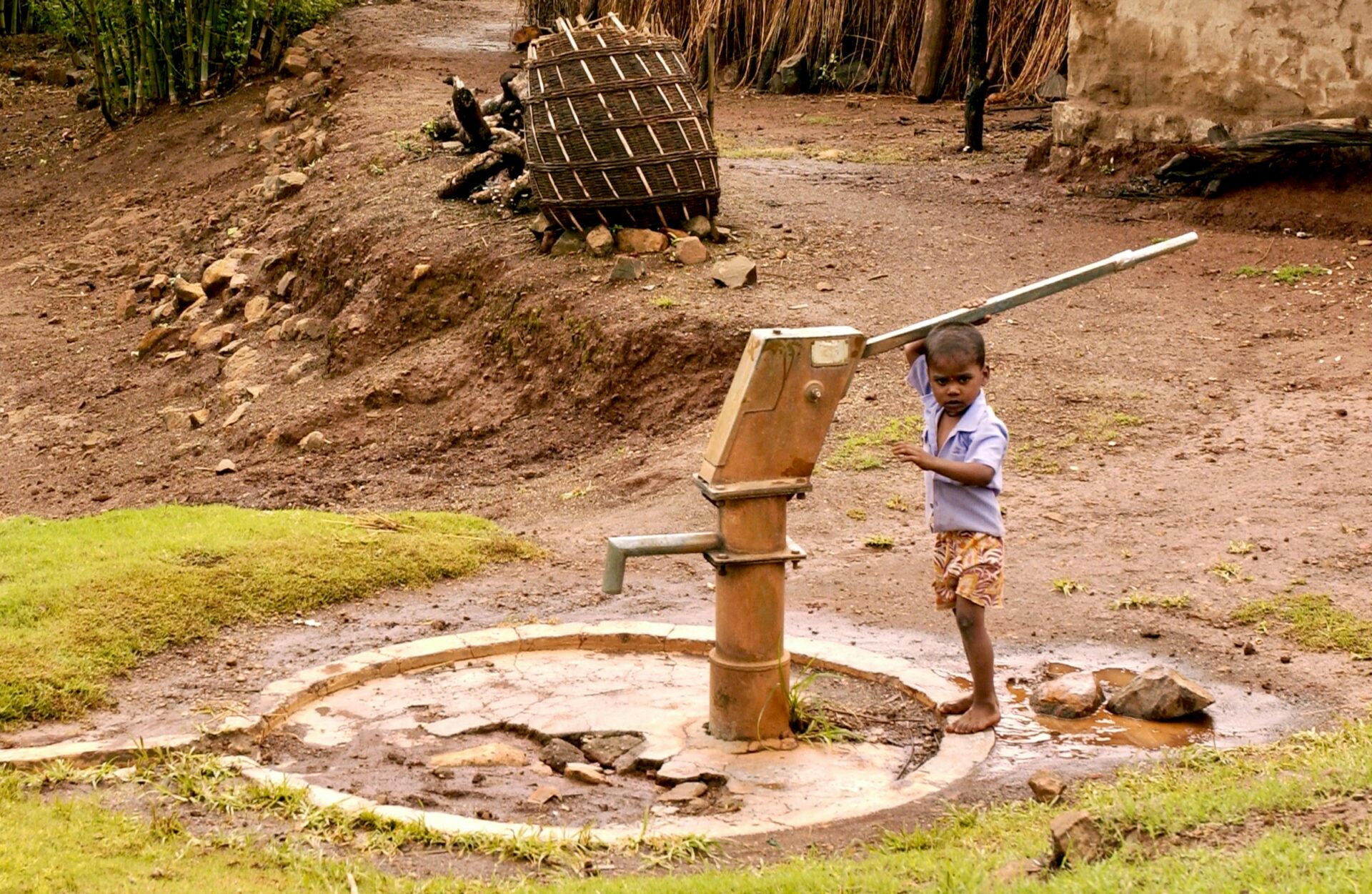
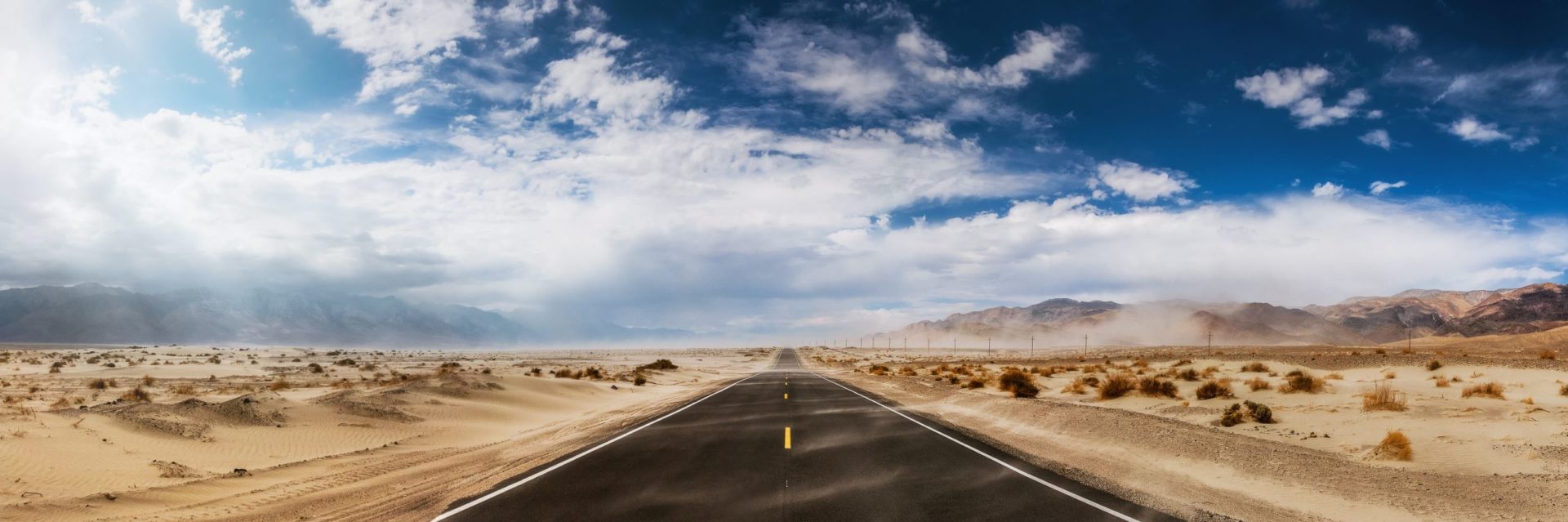
A new UN report has declared an era of “global water bankruptcy,” arguing that overextraction of fresh water has reached such severe levels that past hydrological and ecological baselines cannot realistically be restored. Combined with climate change and pollution, this overshoot threatens billions of lives and livelihoods and urgently needs addressing.
What is water bankruptcy?
Many parts of the world have been experiencing water shortage and unsustainable water use for decades, but the report by the United Nations University Institute for Water, Environment, and Health (UNU-INWEH) states that commonly used terminology no longer reflects the severity of global water overshoot.
The authors explain that “water stress” denotes a high rate of water withdrawal relative to available supply, while “water crisis” describes an acute, short-term disruption, often triggered by a shock such as drought, flood, contamination, or conflict. Both of these concepts assume that with proper management and mitigation, the system can return to a healthy baseline.
“Water bankruptcy,” on the other hand, is defined as a persistent post-crisis condition or collapsed system in which long-term withdrawals from surface and groundwater sources, and pressures on water-dependent ecosystems, outstrip regenerative capacity so severely that resulting damages are irreversible within relevant timeframes and available budgets.
The report warns:
“Over decades, societies have withdrawn more water than climate and hydrology can reliably provide, drawing down not only the annual “income” of renewable flows but also the “savings” stored in aquifers, glaciers, soils, wetlands, and river ecosystems. At the same time, pollution, salinization, and other forms of water quality degradation have reduced the fraction of water that is safely usable.”
The authors explain how climate change is accelerating the irreversible degradation of water systems:
“It alters precipitation patterns, snowpack, glacier mass, and evapotranspiration, reducing renewable supply and increasing variability in systems that were already near or beyond their limits. What might have been manageable under historical climate conditions becomes unmanageable once warming and variability are added.”
Alarming water facts
 Three-quarters of the world’s population lives in countries classified as water-insecure or critically water-insecure, while about 4 billion people experience severe water scarcity for at least one month every year. At the same time, around 2.2 billion people still lack access to safe drinking water, and 3.5 billion lack safely managed sanitation.
More than half of the world’s large lakes have shrunk since the early 1990s due to overextraction and climate change, affecting around one-quarter of the global population that depends directly on them for water security.
Since 1970, the world has lost approximately 35%, or 410 million hectares, of natural wetlands — an area close to the total land area of the European Union. As a result, wetlands are among the most imperiled ecosystems on Earth. Freshwater vertebrate populations have declined by an estimated 85% over the past five decades.
More than 30% of the world’s glacier mass has been lost since 1970, threatening the lives and livelihoods of hundreds of millions of people who rely on glacier- and snowmelt-fed rivers for drinking water, irrigation, and hydropower.
Groundwater now provides half of global domestic water use and over 40% of irrigation water, but aquifers are rapidly being depleted — as many as 70% of the world’s major aquifers show long-term declining trends. Excessive pumping of groundwater is also causing land subsidence, whereby the ground sinks, causing damage to human infrastructure, increasing flood risks, and permanently decreasing water storage capacity. Land subsidence affects more than 6 million square kilometers, or almost 5% of the global land area, including densely populated areas such as Mexico City.
Water quality degradation is a growing problem too, with wastewater, agricultural and industrial runoff, and plastic pollution limiting safe water availability even further. As total water volume decreases, these pollutants become more concentrated.
The report also alludes to the “rising risks of social instability and conflict associated with water bankruptcy.” The number of violent conflicts over water is increasing year-on-year — according to the most recent estimates, there were 420 documented water-related conflicts in 2024, which is more than four times as many as in 2020.
Food security and the cow in the room
Unsustainable agricultural practices have led to the degradation of more than half of global cropland. Degraded soil is less able to retain soil moisture and accelerates desertification, whereby land becomes permanently arid and infertile, impacting both water and food security.
Excessive irrigation, improper drainage, and overuse of fertilizers are also leading to soil salinization. Accumulation of salt in the soil, which negatively impacts crop yields, can lead to land degradation, and can make groundwater unsuitable for human consumption.
Agriculture is a primary driver of most of our environmental crises, including water scarcity and pollution. The report points out that as much as 70% of all freshwater withdrawals are used for agriculture. What it fails to acknowledge, however, is the cow in the room: around 41% of global agricultural water is used to grow livestock feed instead of human food. Beef is particularly water-inefficient compared to cereal and vegetable crops.
In some systems, the figures are especially stark. A 2024 study found that in the Colorado River basin, cattle feed accounts for 46% of all direct water consumption, and 62% of all agricultural water use.
Proposed solutions
While many recent major environmental reports stress the need to adopt more plant-based diets, the UNU-INWEH report makes no such specific recommendations. It is rather vague in its proposed solutions despite the severity of the problem it highlights. The authors state that water bankruptcy management requires preventing further irreversible damage while adapting systems to a smaller hydrological budget in a just way that protects the most vulnerable communities.
The elephant in the room: Population growth
 A separate recent analysis conducted for The Guardian found that half the world’s 100 most populous cities are experiencing high levels of water stress, with 38 of these, including Beijing, Delhi, Los Angeles, and Rio de Janeiro, in regions of “extremely high water stress.”
Obviously, rising population pressure increases water demand, and many of the fastest growing areas are experiencing the worst climate change impacts, creating a recipe for disaster.
The UNU-INWEH report only fleetingly notes the population factor once: “Population growth, urbanization, and economic expansion have increased water demand for agriculture, industry, energy, and cities.”
Dr. Jonathan Paul, a geoscientist at Royal Holloway, University of London, pointed out this omission, however. He told The Guardian,
“The elephant in the room, which is mentioned explicitly only once, is the role of massive and unequal population growth in driving so many of the manifestations of water bankruptcy. Addressing this growth would be more useful than tinkering with outdated, non-inclusive, and top-down water resource management frameworks.”
The most effective way to slow population growth is to improve gender equality and empower women to choose what happens to their bodies and lives. It’s a shame this UN report does not promote this globally beneficial, morally essential solution.
Just like for every other manifestation of ecological overshoot, addressing the root drivers of water bankruptcy — population growth and unsustainable consumption and production — are key to achieving lasting improvements and a safer future.