World Population Day 2026

The human population has grown from 4 billion in 1975 to 8.3 billion today—more than doubling in just five decades. Each year on July 11, World Population Day raises awareness of global population trends and their far-reaching impacts on communities around the world. 

First observed in 1990, World Population Day provides an opportunity to reflect on the impact of population growth on social, economic, and environmental conditions. As the global population continues to rise, challenges such as resource scarcity, climate change, and strain on infrastructure become increasingly urgent. 

This year’s World Population Day theme, “Realizing the hopes and aspirations of young people – today and for the future,” encourages us to look beyond immediate actions and invest in long-term solutions that empower future generations.

At Population Connection, we work to achieve a sustainable population through grassroots engagement, youth education, and advocacy for progressive policies and initiatives.

Read More

World Population Day: Stop framing low birthrates as a “crisis”

The flood of alarmist “baby bust” stories contrasts with demographic reality and people’s perception of population issues. July 11 is World Population Day, an international observance day established in 1989…

Read More
Virtual Event

Featuring renowned ecologist Dr. Gerardo Ceballos

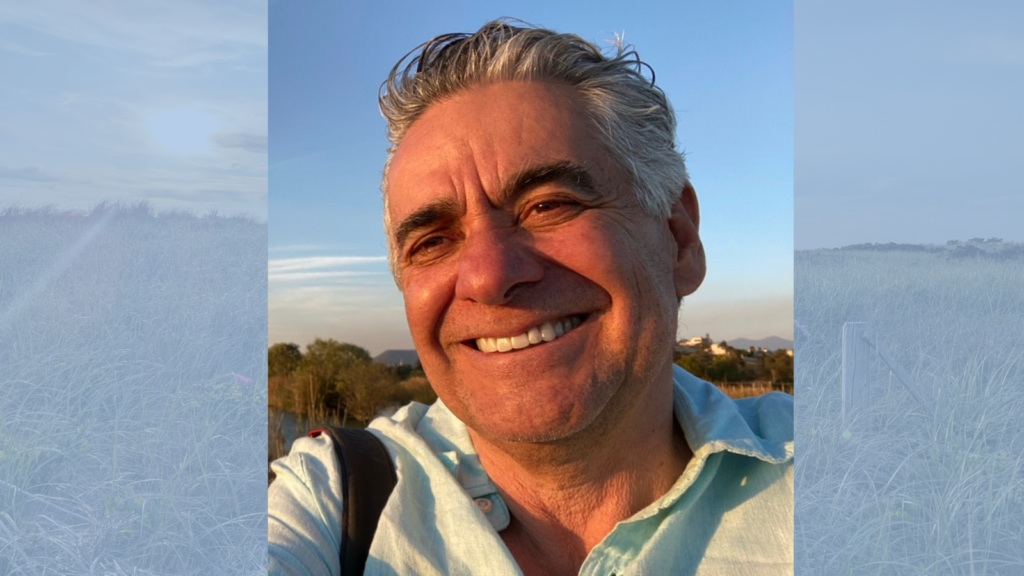
This World Population Day, we hosted Dr. Gerardo Ceballos, a prominent voice in ecology and conservation!

This was a unique opportunity to delve into his research that has shaped our understanding of biodiversity and the pressing environmental issues we face today. We explored his work, his long friendship and collaboration with Paul Ehrlich, and what today’s environmental challenges can teach us about the relationship between people and the planet.

Dr. Ceballos has made sustained and robust efforts to increase ecological awareness among the general public. He is an expert in endangered species, protected natural areas, environmental planning, and the integration of conservation with development. He was the driving force behind the Mexican legislation for endangered species and the establishment of more than 30 protected natural areas covering over two million hectares in the country.

His scientific output is extraordinary: he has published more than 500 scientific and outreach articles, as well as 69 books. His work has received over 40,000 citations (Google Scholar, Scopus, and ISI Web), and his H-index is 48 across his scientific production.

Date: July 9th, 2026


Meet our guest speaker

Dr. Gerardo Ceballos

Ecologist and Senior Researcher, Institute of Ecology at the National Autonomous University of Mexico

Dr. Gerardo Ceballos is a Full-Time Senior Researcher, Level “C,” at the Institute of Ecology at the National Autonomous University of Mexico (UNAM). He is a globally renowned scientist whose cutting-edge research in the fields of ecology and conservation has driven efforts to align scientific knowledge with society’s most pressing challenges.

Dr. Ceballos is an expert in endangered species, protected natural areas, environmental planning, and the integration of conservation with development. He was the driving force behind the Mexican legislation for endangered species and the establishment of more than 30 protected natural areas covering over two million hectares in the country.

Dr. Ceballos has also made sustained and robust efforts to increase ecological awareness among the general public. He is an expert in endangered species, protected natural areas, environmental planning, and the integration of conservation with development. He was the driving force behind the Mexican legislation for endangered species and the establishment of more than 30 protected natural areas covering over two million hectares in the country.

His scientific output is extraordinary: he has published more than 500 scientific and outreach articles, as well as 69 books. His work has received over 40,000 citations (Google Scholar, Scopus, and ISI Web), and his H-index is 48 across his scientific production.

Among his most recent honors, he was elected Foreign Member of the American Academy of Arts and Sciences in 2014. He received the BBVA Foundation Award for Biodiversity Conservation in 2017. In April 2018, he was elected Member of the U.S. National Academy of Sciences. Since 2022, he has been a member of the American Association for the Advancement of Science (AAAS), the organization that publishes the journal Science. Most recently, in 2024, he was awarded the BBVA Foundation Frontiers of Knowledge Award in Ecology and Conservation Biology.

Reaching a global population of eight billion is a numerical landmark, but our focus must always be on people. In the world we strive to build, 8 billion people means 8 billion opportunities to live dignified and fulfilled lives. When we act on our shared values, we contribute to our common future. Let us work together towards greater equality and solidarity to ensure that our planet can support our needs and those of future generations. Let us protect human rights and the ability of all individuals to make informed choices about whether and when to have children. António Guterres, Secretary-General of the United Nations

About Population Education

Population Education, a program of Population Connection, focuses on K-12 lesson plans and professional development surrounding population growth and human well-being. Since 1975, the program has trained over 12,000 educators annually, helping students develop critical thinking skills and become informed, engaged citizens.

Population Education website

World of 8 Billion Video Contest

The World of 8 Billion contest is an annual video competition for K-12 learners to raise awareness about climate issues. This year’s topics were energy, wetlands, and economics. In total, the competition has led to the creation of over 35,000 videos on the impact of population growth. Check out the winning videos from this year, or explore the videos from previous competition cycles!

Contest Winners

Population Studies for Higher Education

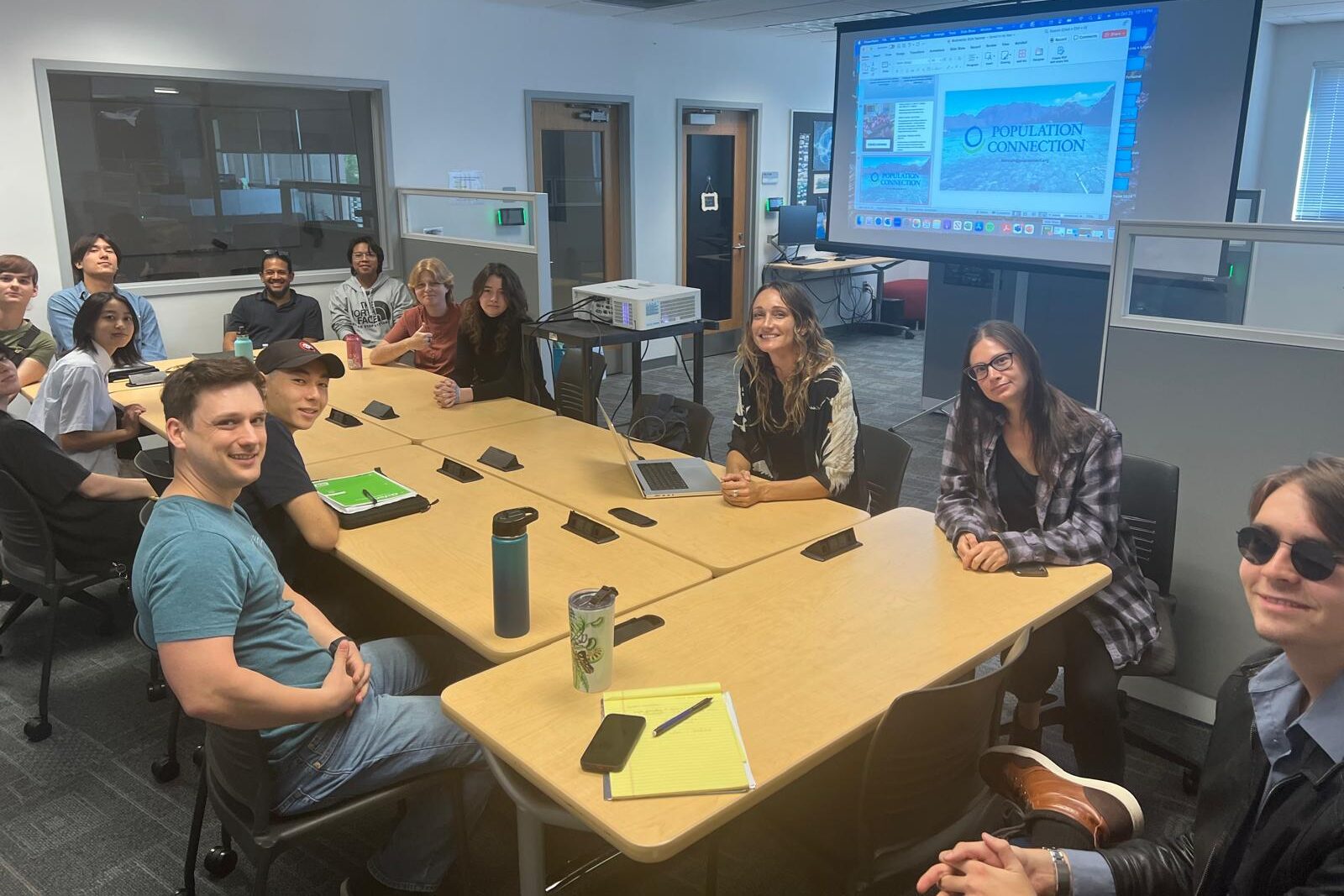
Each year, we deliver presentations to over 100 college and university classes, at the request of professors across the country who are teaching ecology, biology, geography, gender studies, public health, and other related courses. By including population trends and dynamics in higher education, we can prepare tomorrow’s professionals to work toward cost-effective, rights-based solutions to climate change and other environmental challenges—namely, voluntary family planning and girls’ education.

Free resources for professors

Making the population connection

Climate change has become one of humanity’s most critical challenges. While the connection between human activity and global warming is widely accepted within the scientific community, the links between population growth and climate change are often overlooked

Population growth, along with increasing per capita consumption, drives climate change by raising greenhouse gas emissions. Population growth also increases climate vulnerability by exposing ever more people to climate-related risks.

Increased investment in health, education, and women’s empowerment, along with improvements in infrastructure and land use, would strengthen climate resilience and build adaptive capacity for people around the world.


Image of Sweet Creek Falls c/o Paul Wilson (2025 Summer Photo Contest)

Read more about the intersection of population, climate, and reproductive health
Sweet Creek Falls.

Population Connection publications

Stay informed on population issues with Population Connection’s coverage of key research and current events. Through a variety of publications and outreach methods, we educate the public on population challenges while promoting women’s education and voluntary family planning as solutions. We share insights through our quarterly magazine, blog posts, and interactive virtual events with expert guest speakers and curious audiences.

We explore pressing issues such as climate change, biodiversity loss, and women’s empowerment. Our virtual events also encourage active participation, providing opportunities for attendees to ask questions, share perspectives, and contribute to meaningful discussions.

By following along with and sharing Population Connection’s articles, virtual events, and quarterly magazine, you can become more informed about population issues and help spread awareness.

Read our published op-eds/LTEs

Our team has authored many op-eds and Letters to the Editor (LTEs) that have been published in a variety of media outlets. These pieces cover a broad range of topics, including birth rates, population growth, and climate change.

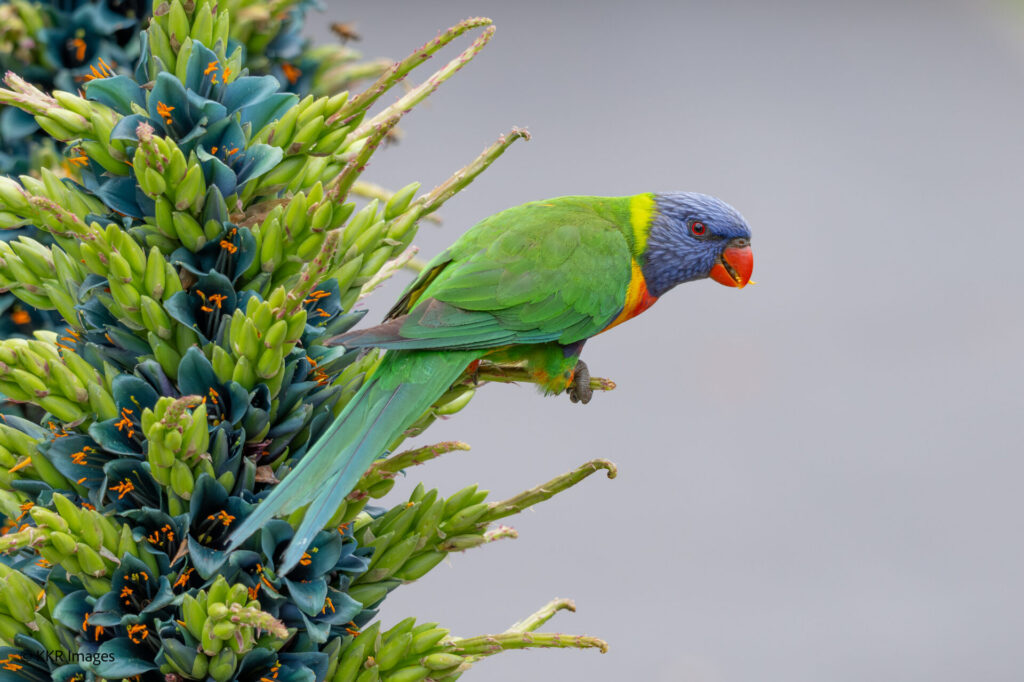
Image of Rainbow Lorikeet c/o Kathy Raffel (Summer Photo Contest 2025)

See our media hits here
A rainbow lorikeet feeding on a turquoise puya at the Adelaide Botanic Garden in Australia.

Catch up on our quarterly magazine

Our quarterly magazine is America’s voice for population stabilization. Consisting of impactful articles, relevant statistics, and testimonies from our members, our magazine is sure to be an insightful read!


Image of Lake Atitlan c/o Doranne Jacobson (2025 Summer Photo Contest)

Our Magazine Archive

Keep up with our blog

Explore our blog posts, where we share our perspectives on pressing issues related to population growth and environmental sustainability.

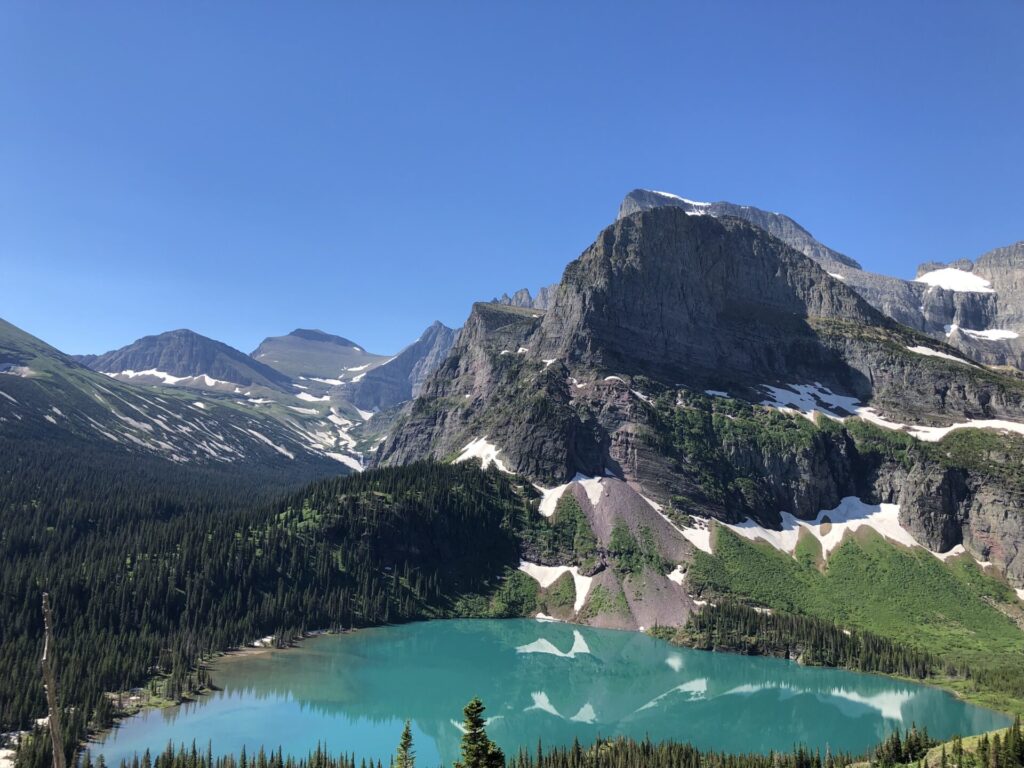
Image of Glacier National Park c/o Hongbin Yu (2025 Summer Photo Contest)

Read More Here
Landscape view of Glacier National Park on a clear day.

Featured articles

Read More
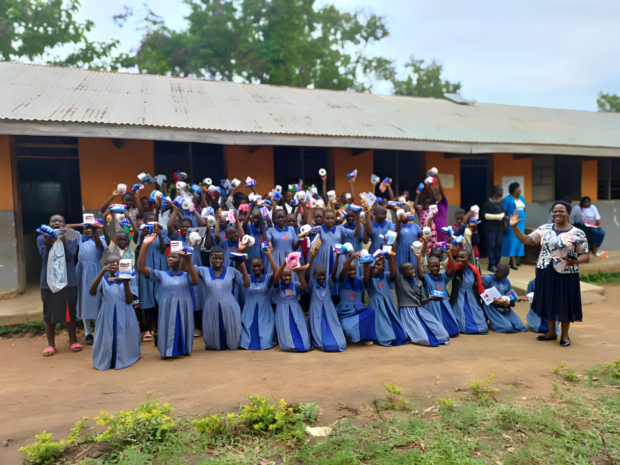
FlowReady outreach at Makembo Primary School In Mayuge District

Preparing girls for menarche and fighting period poverty: Q&A with FlowReady

Through our Global Partners program, Population Connection supports a growing number of grassroots organizations around the world working to increase access to education, public health and family planning services. Their…

Read More
Read More

Four sneaky ways MAGA is trying to undermine reproductive health and rights

The Trump administration has overtly and shamelessly enacted drastic policies to curtail access to abortion and contraception both domestically and internationally. But the MAGA movement is chipping away at reproductive…

Read More
Read More

Study: Slowing population growth could do more for biodiversity than reducing consumption

Habitat loss from agricultural expansion is a leading cause of biodiversity loss. A new study published in PNAS found that accelerated economic development in low-income countries, largely through its dampening…

Read More
Read More

Ten Ways Population Growth Impacts the Environment

As the world’s population rises, so do its repercussions on the environment. Growing demands for food, water, land, and energy place mounting pressure on ecosystems already pushed to their limits.…

Read More

Ways to get involved

Join our network of supporters and help drive meaningful change through advocacy, education, and community engagement. Volunteers attend virtual events, write Op-Eds or Letters to the Editor, raise awareness locally, or contact their elected officials.

Learn more about volunteering!

Use your voice to contact your elected officials! Make calls and sign petitions to raise attention about important population issues.

Contact Congress using our custom forms!

Join our virtual events to explore the connections between population, the environment, and sustainability. These online sessions provide opportunities to hear from leading voices in demography, reproductive rights, and conservation, connect with Population Connection staff, and engage with a community of people working toward a more sustainable future.

Sign up for a virtual event!